Lockheed AH-56 Cheyenne


AH-56


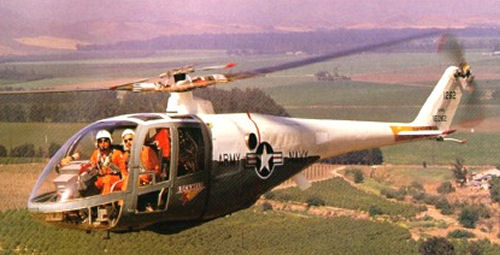
The Lockheed CL-840 conducted its first flight on September 21, 1967, and was selected as the winner of the U.S. Army’s 1965 Advanced Aerial Fire Support System (AAFSS) competition. Developed from the experimental Lockheed XH-51, the CL-840 incorporated a pusher propeller mounted on the tail to increase forward speed. The design achieved a maximum speed of approximately 400 km/h, reflecting its role as a high-speed compound helicopter concept.
XH-51
Lockheed XH-51


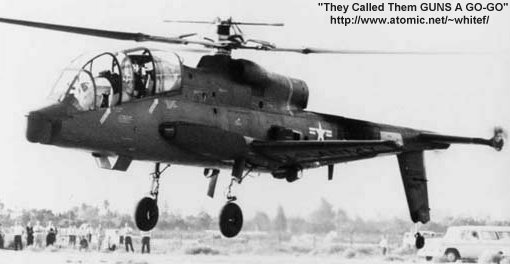
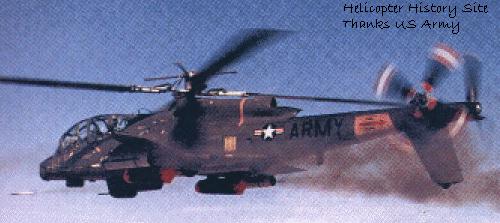
The Lockheed AH-56 Cheyenne was a highly advanced compound helicopter developed for the U.S. Army during the late 1960s as part of the Advanced Aerial Fire Support System (AAFSS) program. Designed as a dedicated attack helicopter, it featured a unique four-blade rigid-rotor system, small low-mounted wings for lift, and a rear-mounted pusher propeller that allowed it to reach speeds exceeding 240 mph. This hybrid design allowed the Cheyenne to fly more like a fixed-wing fighter than a traditional helicopter, giving it unmatched speed and agility for the era.

The aircraft’s cockpit was a marvel of technology for its time, featuring a two-man tandem crew station where the gunner sat in front and the pilot sat behind in a raised position. It was equipped with state-of-the-art avionics, including a helmet-mounted sight that allowed the gunner to aim weapons simply by turning their head, as well as a night vision system and laser rangefinder. Its armament was equally impressive, consisting of a 30mm automatic cannon, a nose turret for either a minigun or grenade launcher, and wing hardpoints capable of carrying TOW anti-tank missiles and rocket pods.

By 1968, ten pre-production units (serial numbers 66-8826 to 66-8835) had been delivered, and a further 375 aircraft were approved for procurement. However, the U.S. Army had meanwhile introduced the AH-1G Huey Cobra, a privately developed design by Bell Helicopter. By the end of 1969, with Cobras already deployed in Vietnam, the U.S. Army cancelled the AH-56 program.

Despite its revolutionary potential, the Cheyenne program was ultimately canceled in 1972 due to a combination of technical setbacks, rising costs, and political shifts. A fatal crash of the third prototype in 1969, caused by rotor instability at high speeds, significantly delayed development and shook confidence in the complex design.

While Lockheed eventually fixed many of these issues, the Army decided to pivot toward a simpler, more survivable twin-engine design, which eventually led to the development of the AH-64 Apache.


Lockheed AH-56 Cheyenne


Type: Gunship
First Flight : Sep 21, 1967
Crew: 2

AH-56A specifications :
Engines: 1 * 3435 shp General Electric T64-GE-16
Speed: 370 km/h -- Max: 408
Range: 1400 km
Rate of Climb: 1000 m/min
Weight: Empty: 5320 kg -- Max: 13600
Rotor Span: 15.36 m
Length: 18.30 m
Height: 4.10 m
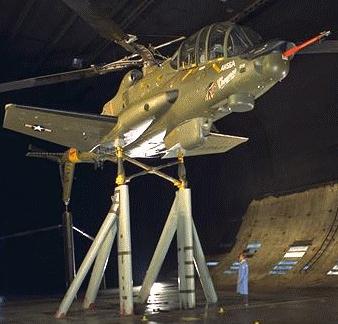
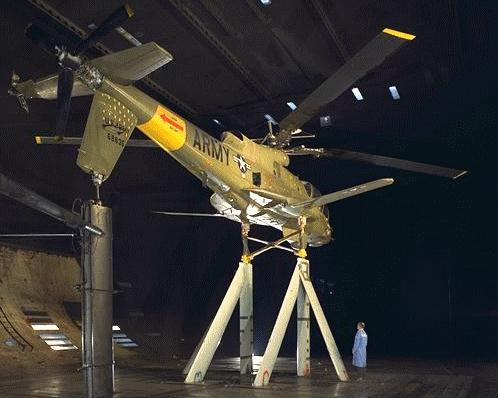
The AH-56 crash down moments after these pictures were taken by Lee Jones for NASA during a full power test on Sept 17, 1969
AH-56 AH-56 wind tunnel


See Also:
Bell AH-1 Cobra
AH-64 Apache


Helicopters for sale
Accidents
Acronyms
Airshows
Future helicopters
Flying a helicopter
Helicopter stories
TV and movies

Helicopter books
Helicopter patches
Helicopter model kits


az


Download App