helis.com Tracker

Joby JAS4-1

Joby S4

2017

History News
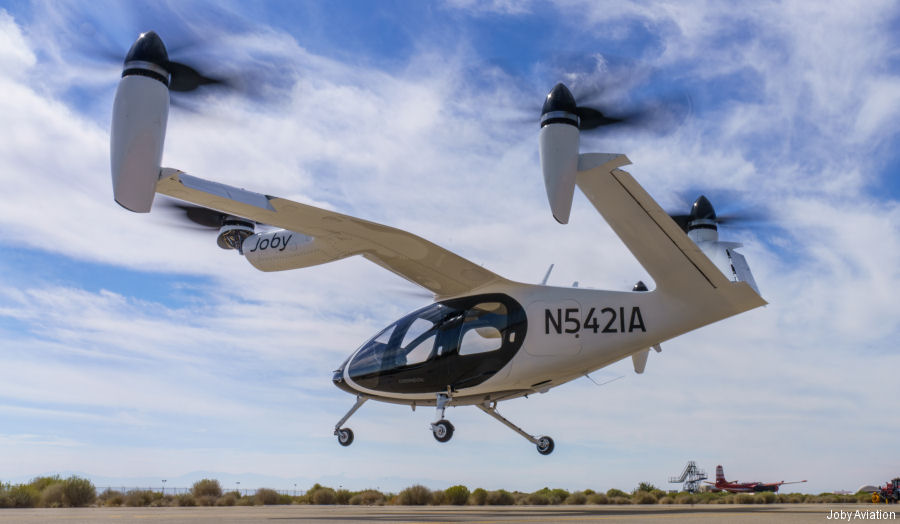
The Joby JAS4-1, often referred to as the Joby S4, is a pioneering electric Vertical Take-Off and Landing (eVTOL) aircraft designed by Joby Aviation for urban air mobility (UAM) applications, primarily as an air taxi.

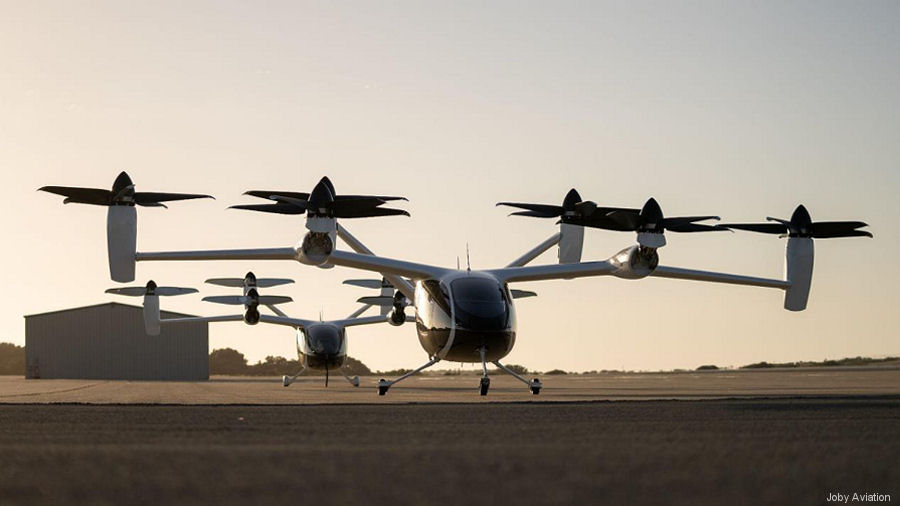
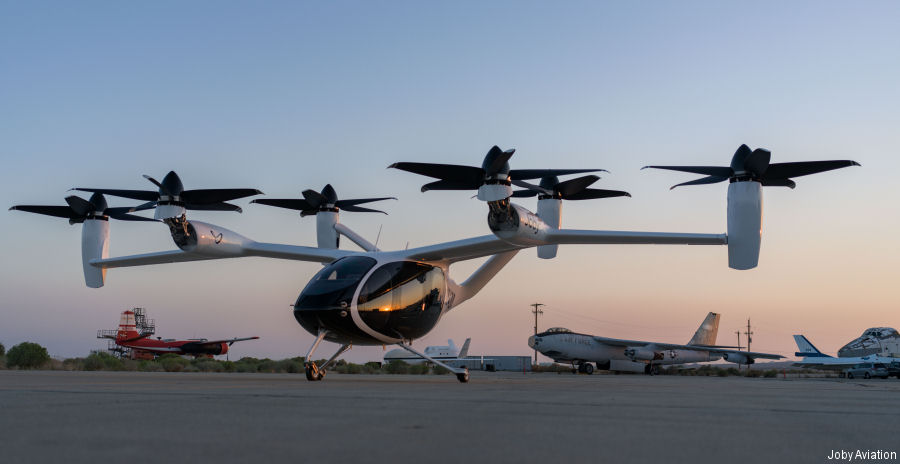
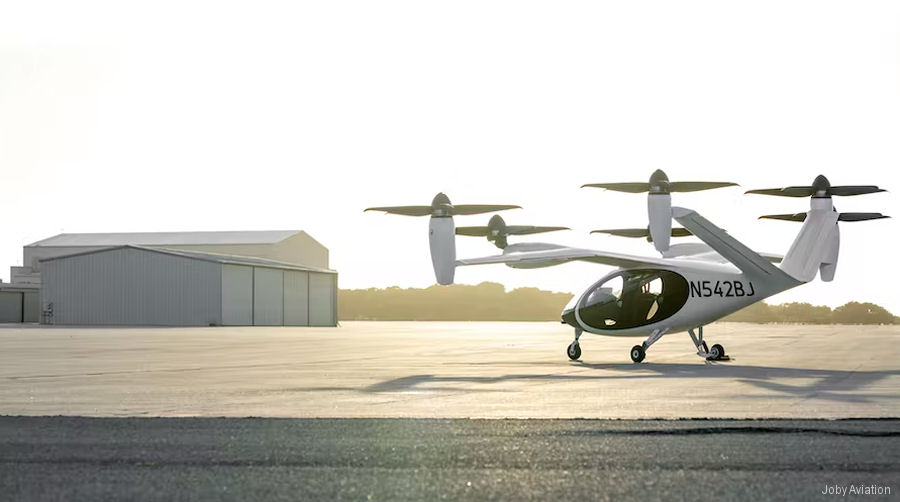
The JAS4-1 features a conventional fixed wing and a V-tail, combined with six tilting electric engines, each with a 5-blade propeller. Four of these propellers are located on the wings and two on the V-tail, allowing for both vertical takeoff and landing like a helicopter, and efficient horizontal flight like an airplane. It is designed to carry a pilot and four passengers, making it a five-seat aircraft.

Milestones

The Joby JAS4-1, specifically the prototype versions, has had several significant "first flights" as it has evolved through its development and testing phases:

First Remotely Piloted Full Transition Flight: The first full-scale, prototype aircraft completed its first transition from vertical take-off to wingborne (horizontal) flight and back again in 2017. This was a crucial milestone, demonstrating the core capability of the eVTOL design.
First Piloted Transition Flight: Joby Aviation announced a landmark moment on April 22, 2025, when its prototype S4 aircraft successfully completed a full transition from vertical to cruise flight and back again with a pilot onboard. This marked a significant step towards crewed operations and certification.
First Crewed Flight in an Urban Setting (New York City): A Joby S4 2.0b (a production prototype) conducted its first crewed flight in New York City on November 12, 2023, taking off from the Downtown Manhattan Heliport. This was a demonstration flight showcasing the aircraft's potential for urban air mobility in a major metropolitan area.

JAS4-1 characteristics

Max Takeoff Weight: 4,800 lbs. (approximately 2,177 kg).
Max Cruise Speed: Up to 200 mph (322 km/h).
Range: Up to 150 miles (241 km) on a single charge with its lithium-ion battery packs.
Max Cruising Altitude: 15,000 ft.
Propulsion and Power: The aircraft is powered by a distributed electric propulsion system with six electric motors. These motors include dual redundant inverters, variable prop control, nacelle tilting, and cooling, and dual windings for redundancy. Power is supplied by four liquid-cooled lithium-ion battery packs, with two in each wing.
Quiet Operation: A significant advantage of the JAS4-1 is its remarkably quiet operation compared to traditional helicopters. Its electric propulsion and optimized propellers are designed to minimize noise, making it suitable for urban environments.
Advanced Control Systems: It incorporates fly-by-wire flight computers with triple redundancy and a Simplified Vehicle Operations (SVO) system. This system integrates controls for seamless transitions between vertical and horizontal flight modes, aiming to reduce pilot workload and enhance safety.
Construction: The aircraft structure and propellers are primarily constructed of composite materials, including carbon fiber.
Dimensions: It has a length of approximately 21 feet (6.4 meters) and a wingspan of 39 feet (11.9 meters).
Safety Features: Joby emphasizes safety with features like distributed electric propulsion (allowing for safe landing even with motor failures), redundancy in critical components, the ability to land like an airplane if necessary, and advanced battery fire prevention measures including active cooling plates and individual cell encasement in titanium.
Certification: The Joby JAS4-1 has been undergoing rigorous certification processes with the U.S. Federal Aviation Administration (FAA), with specific airworthiness criteria being established due to its unique powered-lift characteristics that combine aspects of both helicopters and airplanes.

Derivatives & Versions

JAS4-2 2019

Airframes (7)

C/NModelBuiltReg
00005jas4-1US N5421A
00006jas4-12024US N541JX
00007jas4-12024US N542JX
00008jas4-12024US N544JX
00009jas4-12025US N545JX
00101jas4-12026US N547JX
JAS4-101jas4-12017US N541JA

Operators

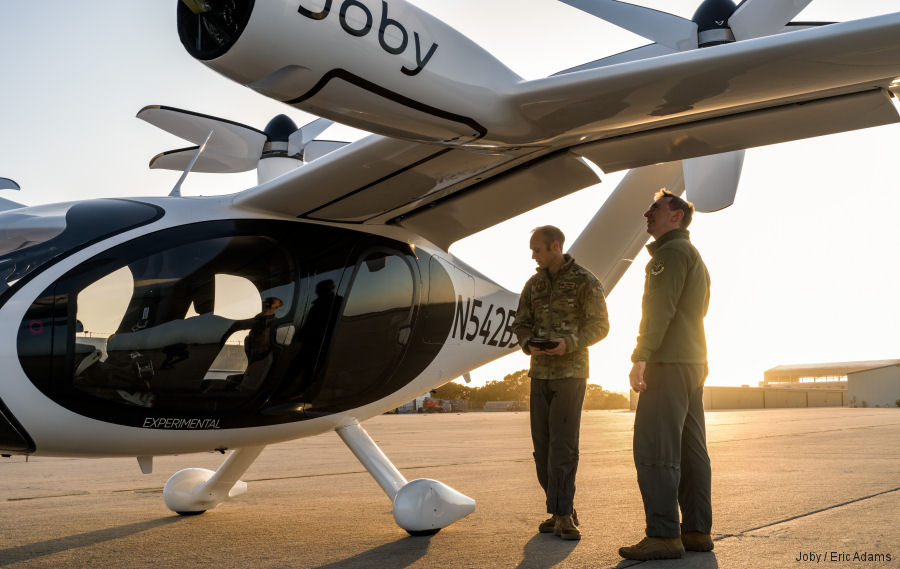
2023- US US Air Force