In Oct 1664, during a war with the Dutch, The Duke of York and Albany's Maritime Regiment of Foot was formed in the City of London. Also known as the Admiral's Regiment, these were land soldiers for sea service, funded by the Admiralty. They enforced discipline afloat, formed landing and boarding parties and guarded the hatches, magazines and the ships' keys. In 1689, they were disbanded, then reformed and disbanded again. By 1694 they were also manning the cannon. In 1699, they were transferred to the Army and the regiments abolished.

Reformed again in 1702 as six regiments for the War of Spanish Succession, the corps distinguished itself in 1704 for its marathon defence of Gibraltar - the only battle honour carried on its Colours, by order of King George IV. The Marines served worldwide, accompanying Lord Anson on his circumnavigation of the world, assisted General Wolfe's assault on Quebec, were at Bunker Hill in the American War of Independence and were at the Nile and Copenhagen facing Napoleon's fleet. In 1802, in recognition of their achievements, they became the Royal Marines. In 1804, they were organised into the Royal Marine Artillery and the Royal Marine Light Infantry.
Further doubt about the future of the Corps existed in the early part of the 20th Century, when its officers were frequently transferred to the Royal Navy, until it formed part of the Royal Naval Division in Flanders in the First World War and took part in the Zeebrugge Raid on the U-Boat base. In 1923, recruit training was centralised at Deal in Kent. Other shore bases were concentrated around the Naval Dockyards at Plymouth, Portsmouth and Chatham, which the Royal Marines were also to defend when not at sea. The 1924 Madden Committee report included amphibious operations in their role, specifically.
Shortly after the withdrawal from Dunkirk early in World War II, the Royal Marines held what little amphibious expertise existed and after the Special Service Brigades of the British Army, the Royal Marines were ordered to raise Commando units to meet Churchill's desire to
set Europe ablaze, early in 1942. These eventually became 40 to 48 (Royal Marine) Commando and served in Brigades alongside the Army units. In 1946, the Army Commando units were disbanded.
On 1 April 2012, 43 Commando was reformed as the Fleet Protection Group at Faslane.
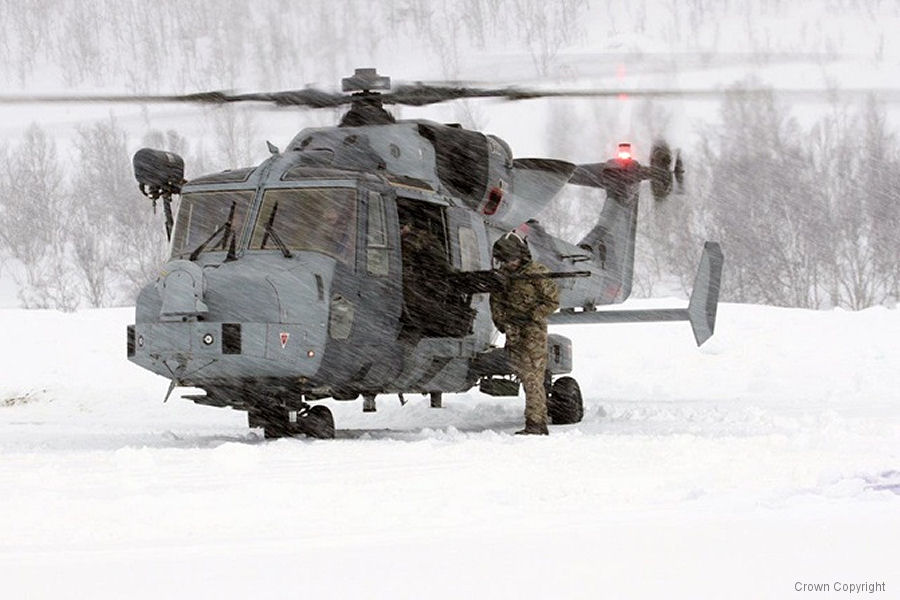
09-Mar-19 - Royal Navy’ 847 Naval Air Squadron Wildcats and Apaches from AAC 656 Squadron in Norway for annual winter training during arctic NATO exercise Clockwork #WinterTraining
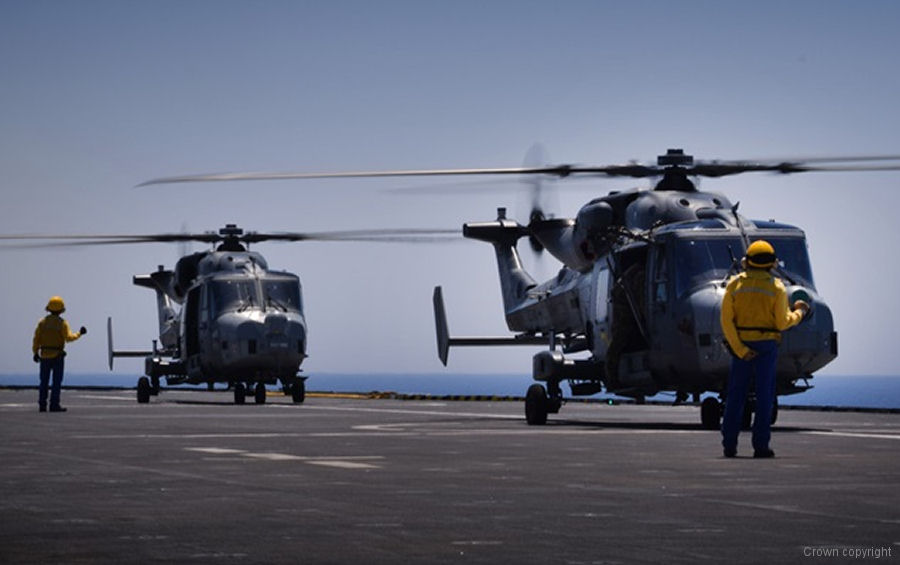
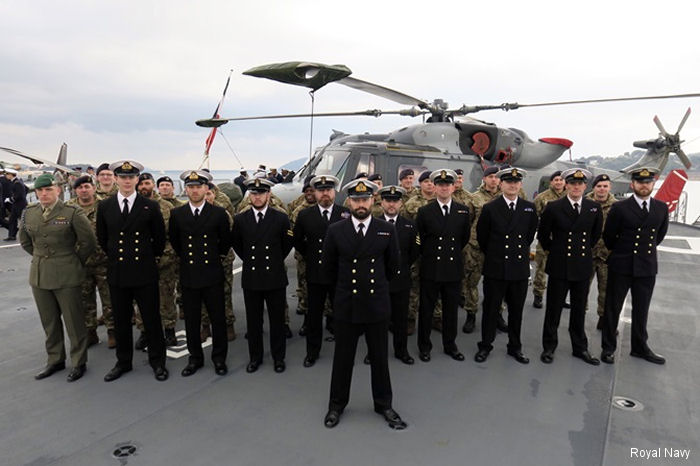
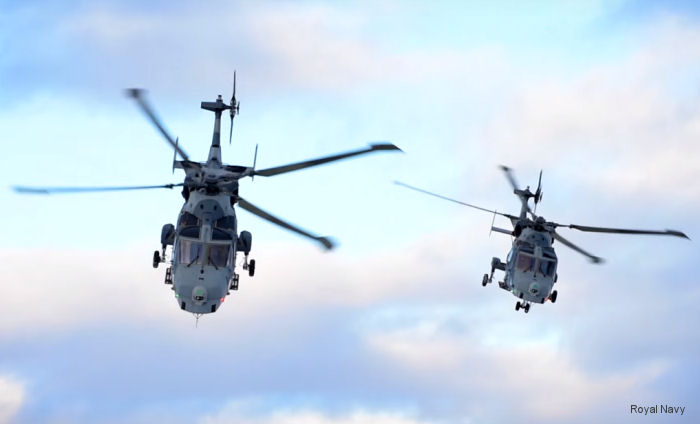
18-Jul-18 - Two Royal Navy 847 Squadron Wildcat completed their 5 month deployment to the Far East aboard the French assault ship FS Dixmude #deployment
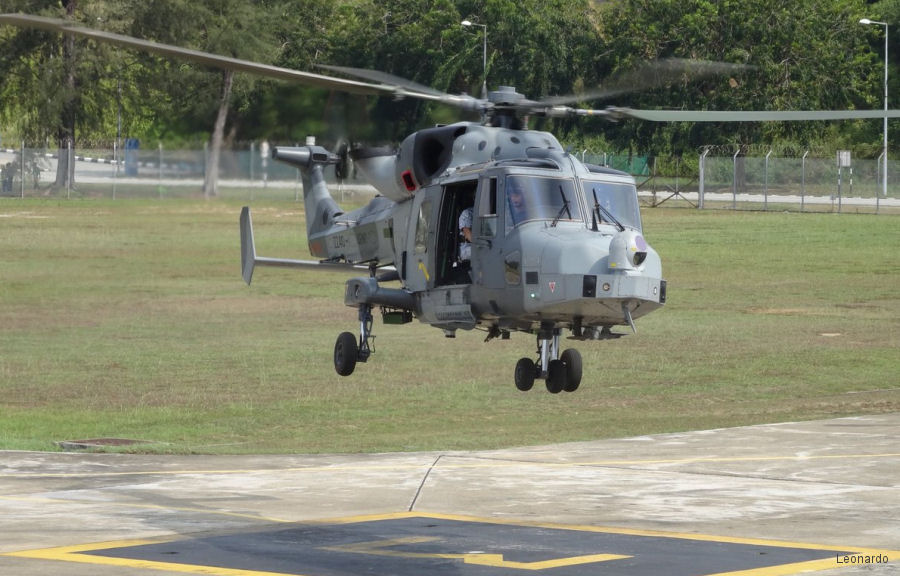
17-Apr-18 - Two Royal Navy 847 NAS’ AW159 Wildcats embarked in the French Navy FS Dixmude assault carrier for a 5 month deployment took part of a demonstration to the Malaysian Armed Forces at Lumut naval base
27-Feb-18 - Two Royal Navy Wildcats from 847 Naval Air Squadron will deploy for 5 months aboard the French Navy s assault carrier Dixmude to the Pacific in her premiere annual amphibious Exercise Jeanne d Arc
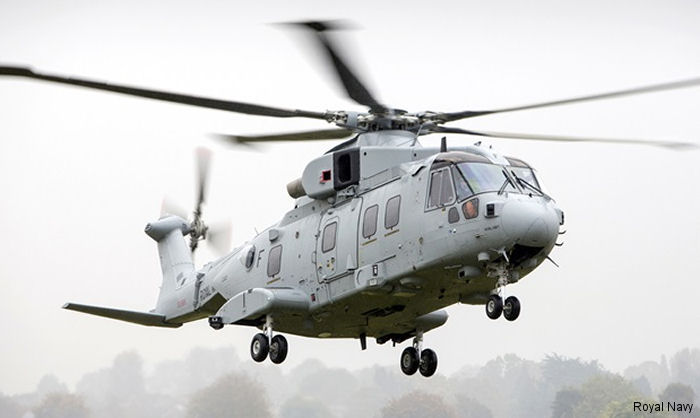
28-Oct-16 - The AW101 Merlin Mk4, converted from ex RAF HC.3, replaced the Junglie Sea King HC.4 and will be the mainstay of British Commando Helicopter Force for the next decade and beyond
10-Mar-16 - Royal Marines 847 Naval Air Squadron new Wildcats AH.1 helicopters, part of Commando Helicopter Force, spent six weeks in Norway for the first time in arctic conditions
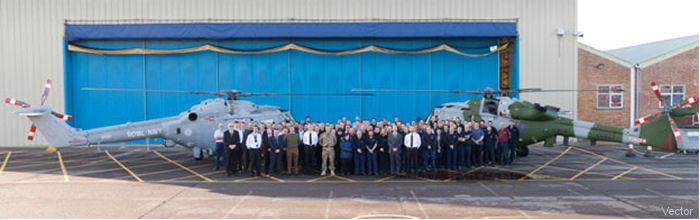
07-Dec-15 - After 37-year support, Vector Aerospace held a ceremony to commemorate the last Depth maintenance event to be completed on a UK Armed Forces Lynx helicopter. Lynx being replaced by Wildcat
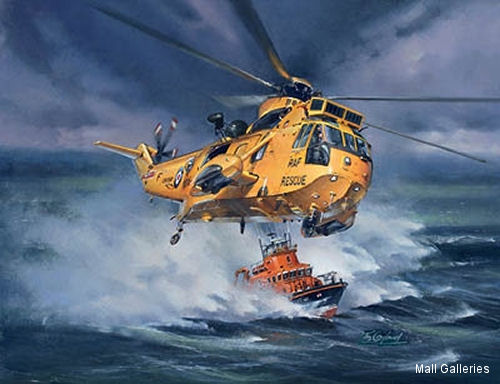
21-Jul-15 - AgustaWestland celebrates a century in the UK supplying and supporting the UK Armed Forces at the Mall Galleries London
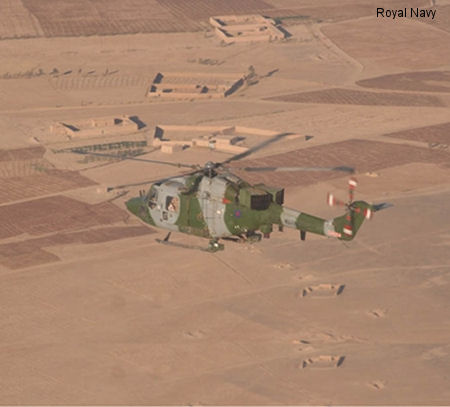
13-Jul-12 - This is the very last 'Royal Marines' liveried Lynx Mk7 battlefield helicopter – easily distinguishable from their maritime Mk 8 counterparts courtesy of their grey-green battlefield camouflage and skids instead of wheels as landing gear – to fly with 847 Naval Air Squadron.
 Model Types Model Types
|
|