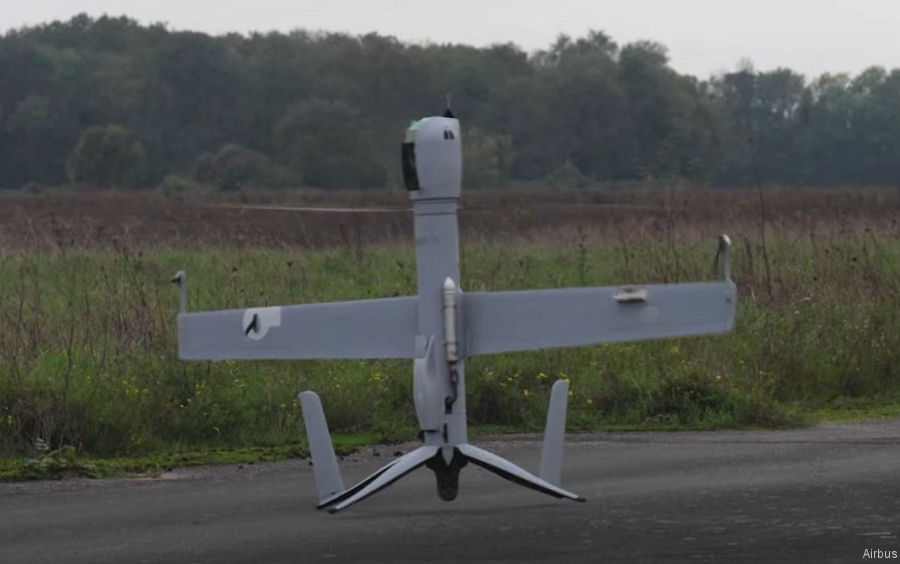
The Airbus Flexrotor is an unmanned aerial system (UAS) designed for a wide range of intelligence, surveillance, and reconnaissance (ISR) missions. It can execute a vertical takeoff and landing (VTOL) and then transition to horizontal flight. It is a Group 2 UAS, meaning it is a small tactical unmanned aircraft with specific weight and performance characteristics.
The Flexrotor's origins trace back to Aerovel Corporation, a company founded in 2006 by Dr. Tad McGeer, a seasoned designer of unmanned aerial systems. McGeer had previously co-founded The Insitu Group, where he was instrumental in developing the Aerosonde, SeaScan, and ScanEagle UAVs. The development of the Flexrotor STUAS (Small Tactical Unmanned Aerial System) began with the first prototype, "Pandora," undertaking its initial flight tests in September 2010. By August 2011, it successfully demonstrated the ability to transition seamlessly between hover and wing-borne cruise, showcasing its impressive combination of VTOL with long range and endurance.
Aerovel continued to refine the Flexrotor, and in January 2015, it secured a launch order for the system. The Flexrotor has accumulated thousands of flight hours, including extensive operations in challenging environments like Afghanistan and various shipboard deployments in the Arctic and tropical Pacific. It has been tested and proven effective in harsh conditions, including GPS-denied zones.
In January 2024, Airbus announced its intention to acquire Aerovel Corporation, and the transaction was completed in May 2024. This acquisition integrated the Flexrotor into Airbus's helicopter unit, significantly expanding Airbus's portfolio of tactical unmanned solutions. Since then, Airbus has been actively promoting the Flexrotor, including showcasing it at major events like the Paris Air Show in June 2025, and securing significant orders, such as the one from Drone Forge in Australia for 17 aircraft.
Vertical Takeoff and Landing (VTOL): This is a primary differentiator, allowing the Flexrotor to launch and recover from confined spaces, such as small patrol boats or unprepared land areas as small as 3.7 x 3.7 meters (12 x 12 ft), without the need for runways or specialized launch and recovery equipment.
Transition to Fixed-Wing Flight: After vertical takeoff, the Flexrotor smoothly transitions into horizontal, wing-borne flight, enabling long-endurance missions.
Compact and Expeditionary: It is designed to be highly transportable, packing down into a 50 kg case that can easily fit in a pickup truck or on a ship deck. It can be assembled and airborne in less than 30 minutes.
Long Endurance: The Flexrotor typically offers an endurance of 12 to 14 hours, with some configurations capable of over 30 hours, setting records for Group 2 UAS.
Payload Capacity and Versatility: It has an 8 kg (18 lb) payload capacity and features a modular bay that supports various interchangeable sensors and technologies. These can include electro-optical/infrared (EO/IR) cameras, electronic intelligence (ELINT)/signal intelligence (SIGINT) systems, AIS (Automatic Identification System), and wide-area search technologies.
Autonomous Operation: The Flexrotor operates autonomously after takeoff, with no pilot intervention needed for flight.
Rugged and All-Weather Capable: It is engineered for operations in challenging environments, including strong winds (up to 27 knots), extreme temperatures, and high altitudes. It has proven operational effectiveness in adverse weather conditions.
Heavy Fuel Engine (HFE): Newer versions are equipped with a heavy fuel engine, improving efficiency, operational range, and compatibility with naval assets.
Crewed-Uncrewed Teaming (MUM-T) Compatibility: Airbus is actively developing capabilities for the Flexrotor to operate alongside manned aircraft, such as helicopters (e.g., the Airbus H225M), to enhance situational awareness and mission effectiveness. This allows manned aircraft to control the Flexrotor and leverage its persistent surveillance capabilities.
The Flexrotor's origins trace back to Aerovel Corporation, a company founded in 2006 by Dr. Tad McGeer, a seasoned designer of unmanned aerial systems. McGeer had previously co-founded The Insitu Group, where he was instrumental in developing the Aerosonde, SeaScan, and ScanEagle UAVs. The development of the Flexrotor STUAS (Small Tactical Unmanned Aerial System) began with the first prototype, "Pandora," undertaking its initial flight tests in September 2010. By August 2011, it successfully demonstrated the ability to transition seamlessly between hover and wing-borne cruise, showcasing its impressive combination of VTOL with long range and endurance.
Aerovel continued to refine the Flexrotor, and in January 2015, it secured a launch order for the system. The Flexrotor has accumulated thousands of flight hours, including extensive operations in challenging environments like Afghanistan and various shipboard deployments in the Arctic and tropical Pacific. It has been tested and proven effective in harsh conditions, including GPS-denied zones.
In January 2024, Airbus announced its intention to acquire Aerovel Corporation, and the transaction was completed in May 2024. This acquisition integrated the Flexrotor into Airbus's helicopter unit, significantly expanding Airbus's portfolio of tactical unmanned solutions. Since then, Airbus has been actively promoting the Flexrotor, including showcasing it at major events like the Paris Air Show in June 2025, and securing significant orders, such as the one from Drone Forge in Australia for 17 aircraft.
Description of the Airbus Flexrotor
Vertical Takeoff and Landing (VTOL): This is a primary differentiator, allowing the Flexrotor to launch and recover from confined spaces, such as small patrol boats or unprepared land areas as small as 3.7 x 3.7 meters (12 x 12 ft), without the need for runways or specialized launch and recovery equipment.
Transition to Fixed-Wing Flight: After vertical takeoff, the Flexrotor smoothly transitions into horizontal, wing-borne flight, enabling long-endurance missions.
Compact and Expeditionary: It is designed to be highly transportable, packing down into a 50 kg case that can easily fit in a pickup truck or on a ship deck. It can be assembled and airborne in less than 30 minutes.
Long Endurance: The Flexrotor typically offers an endurance of 12 to 14 hours, with some configurations capable of over 30 hours, setting records for Group 2 UAS.
Payload Capacity and Versatility: It has an 8 kg (18 lb) payload capacity and features a modular bay that supports various interchangeable sensors and technologies. These can include electro-optical/infrared (EO/IR) cameras, electronic intelligence (ELINT)/signal intelligence (SIGINT) systems, AIS (Automatic Identification System), and wide-area search technologies.
Autonomous Operation: The Flexrotor operates autonomously after takeoff, with no pilot intervention needed for flight.
Rugged and All-Weather Capable: It is engineered for operations in challenging environments, including strong winds (up to 27 knots), extreme temperatures, and high altitudes. It has proven operational effectiveness in adverse weather conditions.
Heavy Fuel Engine (HFE): Newer versions are equipped with a heavy fuel engine, improving efficiency, operational range, and compatibility with naval assets.
Crewed-Uncrewed Teaming (MUM-T) Compatibility: Airbus is actively developing capabilities for the Flexrotor to operate alongside manned aircraft, such as helicopters (e.g., the Airbus H225M), to enhance situational awareness and mission effectiveness. This allows manned aircraft to control the Flexrotor and leverage its persistent surveillance capabilities.
Flexrotor News |
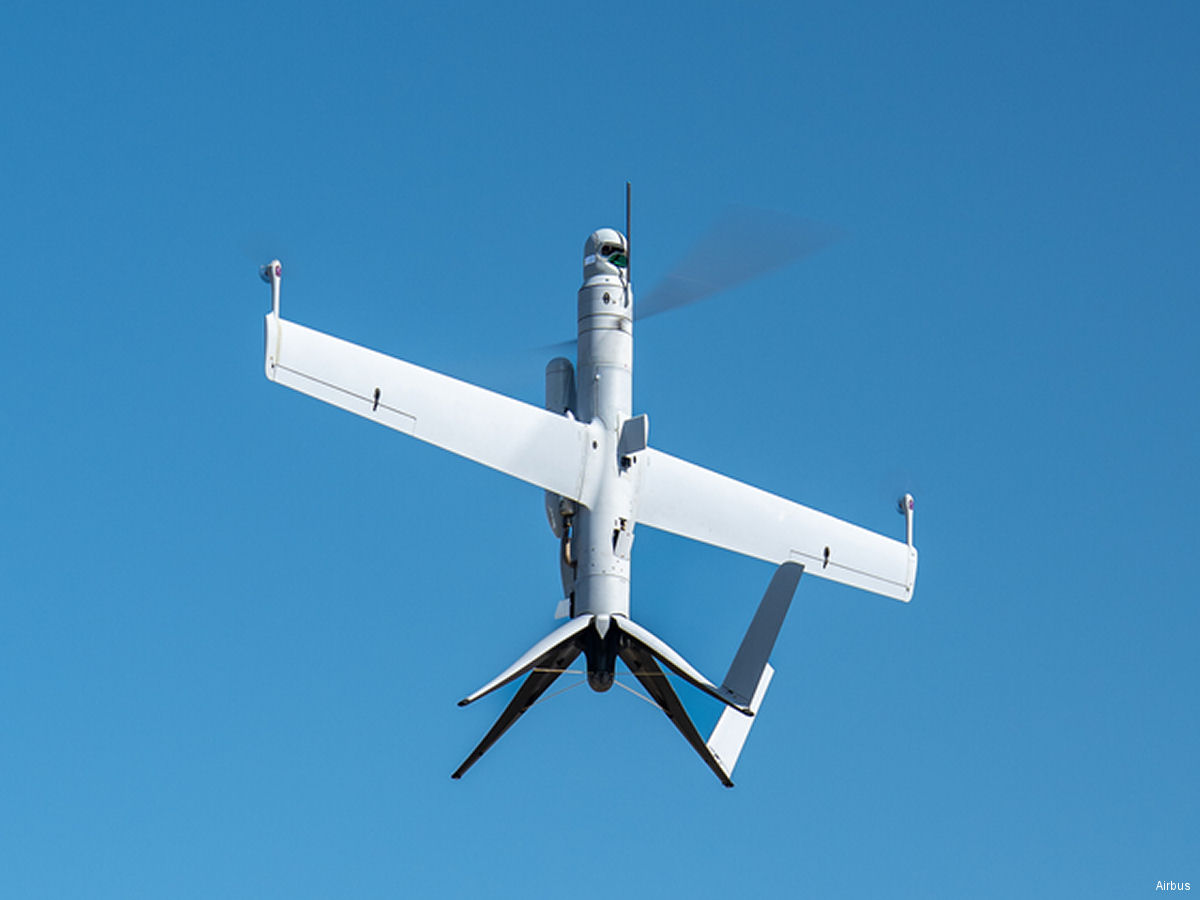
Garuda to Market Airbus Flexrotor Drones in India
12-Mar-26 - Garuda Technologies of India ordered up to 18 Airbus Flexrotor drones for infrastructure inspection, law enforcement, search and rescue, wildfire monitoring and disaster relief. #Flexrotor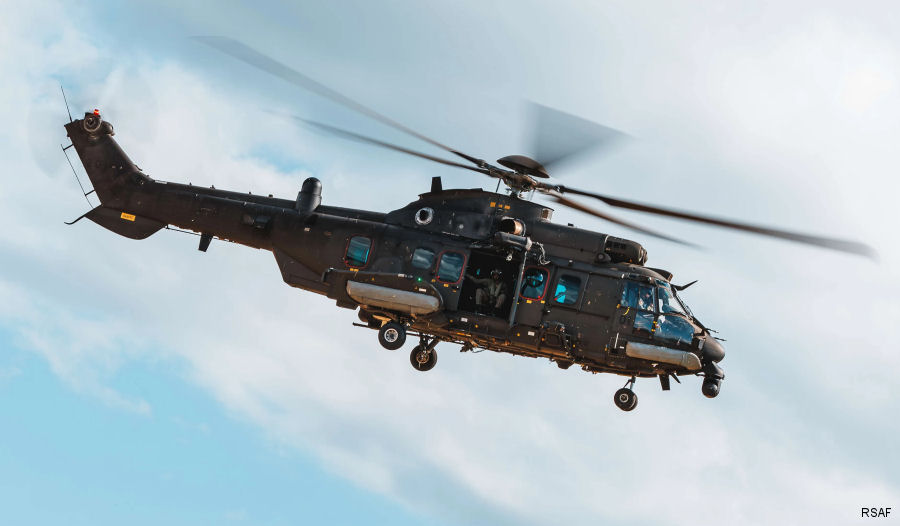
Airbus and Singapore Complete H225M–Flexrotor HTeaming Flights
05-Feb-26 - Airbus and Singapore’s Defence Science and Technology Agency (DSTA) have successfully completed an HTeaming flight campaign integrating the Flexrotor uncrewed aerial system (UAS) drone and the Republic of Singapore Air Force’s (RSAF) H225M helicopter. #HTeaming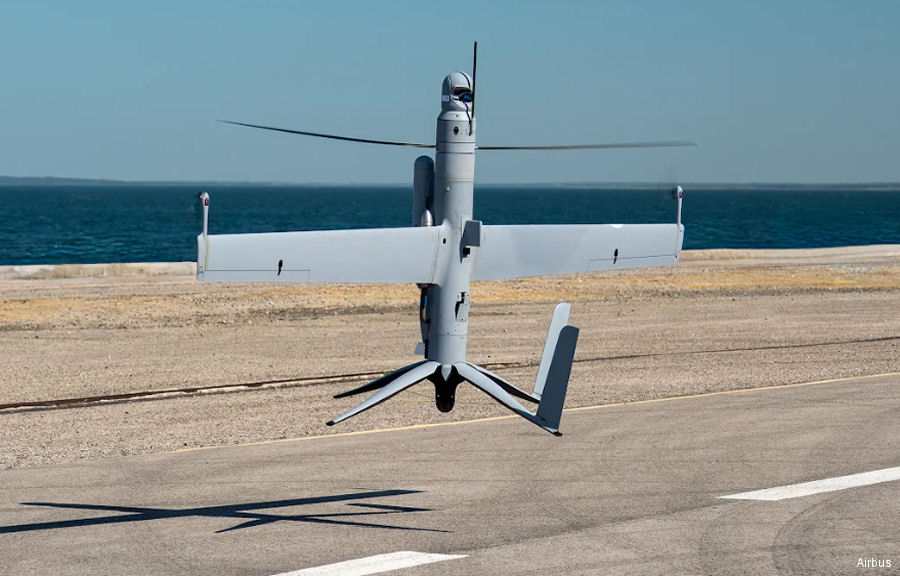
Extensee to Operate Flexrotor Drone for EMSA
17-Dec-25 - The European Maritime Safety Agency (EMSA) has selected the Airbus Flexrotor drone for maritime surveillance missions under a two-year contract, with two optional extensions, starting in 2026 and operated by French service provider Extensee. #Flexrotor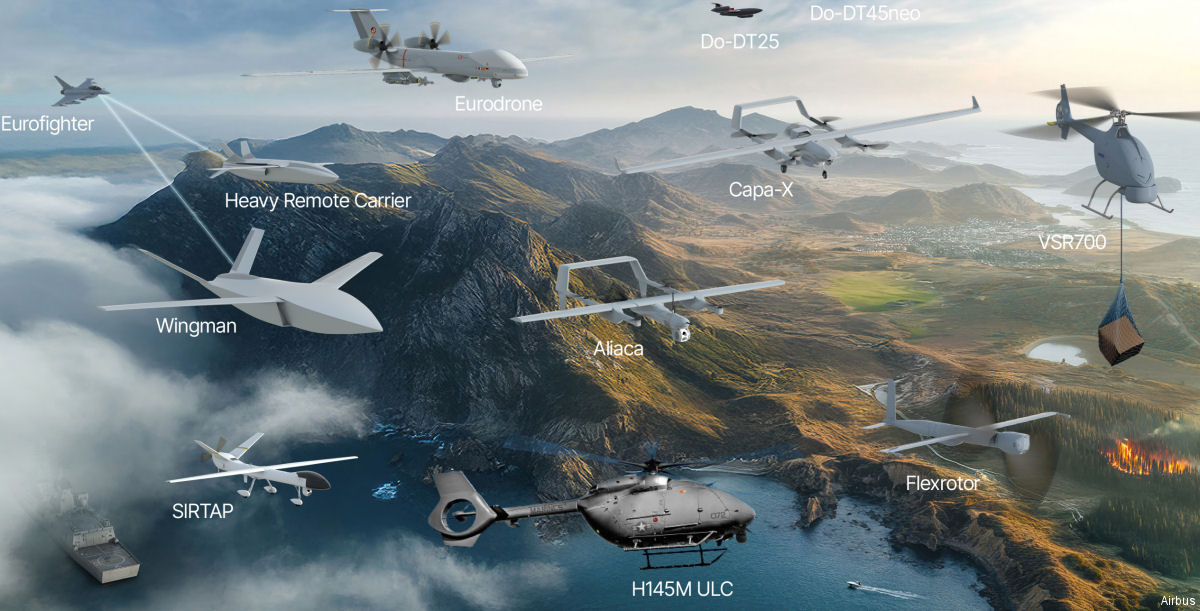
Airbus Unifies Its Tactical Drone Offerings
14-Oct-25 - Airbus unifies its small and medium tactical UAS portfolio—combining Survey Copter, Aliaca, and Capa-X platforms—under the Airbus Helicopters division for streamlined management #drones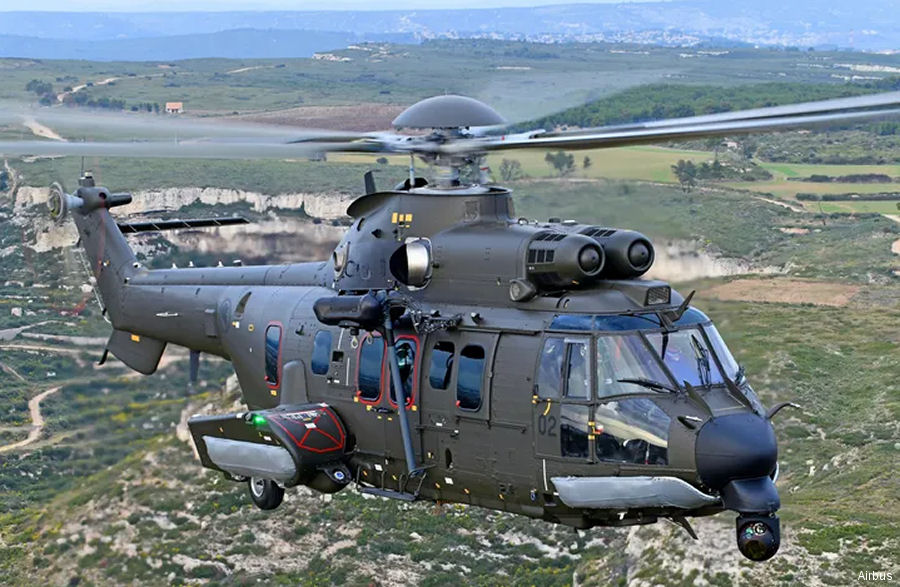
Airbus and Singapore to Explore H225M Crewed-Uncrewed Teaming
18-Jun-25 - Singapore H225M helicopter to be tested for crewed-uncrewed teaming capabilities with the Airbus Flexrotor uncrewed aerial system (UAS) #drones| More News ... |  |
|---|---|
List of Operators of Flexrotor |
Construction Numbers |
| C/N | Built as | Year | History | |
|---|---|---|---|---|