As these specialized operations become more common, the need for advanced safety preparation has become more critical. Programs like HUET training equip aviation professionals with essential survival skills, providing peace of mind for both crew and passengers. Safety remains the top priority in all helicopter operations. From offshore oil rigs to search and rescue missions, helicopter pilots and crew often work in high-risk environments where preparation makes the difference between life and tragedy.
Programs like HUET training play a crucial role in equipping aviation professionals with the skills and confidence needed to handle unexpected emergencies over water.
Why HUET training is essential
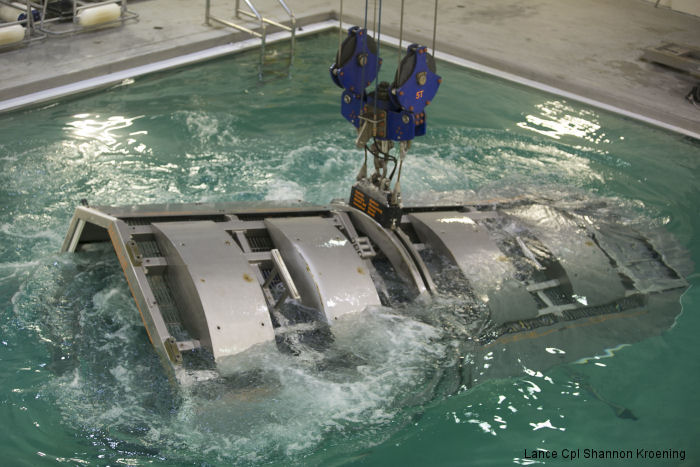
Helicopter Underwater Escape Training, widely known as HUET training, is designed to prepare crew members for the event of a ditching at sea. During this program, participants practice escaping from a submerged helicopter simulator. They learn to operate exits, remain calm while inverted underwater, and navigate in low-visibility conditions. These realistic exercises help develop critical muscle memory, allowing crew members to react quickly under extreme pressure.
The aviation industry has long recognized the importance of this training, particularly for pilots and crew who support offshore operations or fly regularly over water. In these scenarios, even the most experienced professionals must be ready for the possibility of an emergency landing at sea. HUET training not only improves individual survival chances but also enhances overall mission success, as trained crew members can assist passengers and maintain order in crisis situations.
Beyond physical techniques, HUET training also supports psychological readiness. The ability to stay calm, make rational decisions, and coordinate effectively under extreme stress is crucial during emergencies. Crews who undergo HUET training often report higher confidence levels and stronger trust among team members, all of which contribute to mission success and personal safety.
The added value of water survival training
Complementary to HUET training is water survival training, which covers survival techniques needed after an escape. Participants learn how to use life rafts, deploy signaling devices, and manage exposure to cold water while awaiting rescue. Although these skills may seem basic, they are often critical in the moments following an aircraft ditching.
Water survival training encourages mental resilience, teaching individuals to stay calm and make rational decisions despite challenging conditions. For helicopter crews, this training reinforces confidence and strengthens teamwork during high-stress situations. By mastering both escape and survival techniques, crews are better prepared to handle any outcome.
Real-world incidents have shown that these survival techniques can mean the difference between life and loss during a ditching event. Water survival training ensures that crew members know how to remain buoyant, conserve energy and keep morale high until rescue arrives. Even crews who do not operate offshore full-time benefit from these critical skills, as overwater flights can happen unexpectedly.
Embedding safety into operational culture
Advanced safety programs like HUET training and water survival training are not just regulatory requirements. They reflect an organization’s commitment to the well-being of its people. Operators who prioritize these programs send a strong message to their crews: safety is non-negotiable, and every team member’s life is valued.
Creating a safety-focused culture means integrating training into regular routines, encouraging open discussions about risks, and recognizing individuals who actively promote safe practices. Over time, this approach builds trust among crew members and strengthens operational efficiency. When crews feel supported and well-prepared, they are more likely to perform with confidence and precision.
Leadership support is a key part of embedding safety into the organizational mindset. When managers actively encourage training participation and discuss safety openly, it becomes a shared value rather than just a requirement. This approach empowers crew members to take ownership of their safety and look out for each other, strengthening bonds and improving overall team dynamics.
Partnering with experienced training providers
Choosing the right training partner is vital to the success of any safety initiative. FMTC Safety, for example, offers HUET training and water survival training led by experienced instructors who understand the unique challenges faced by helicopter crews.
By working with trusted providers, operators ensure that their teams receive practical, high-quality instruction that aligns with real-world needs.
Conclusion
Helicopter operations demand a level of preparedness that goes beyond technical flying skills. By investing in HUET training and water survival training, operators enhance crew readiness and promote a strong safety culture. These programs help protect lives, improve mission outcomes and demonstrate a clear commitment to operational excellence. In an industry where conditions can change rapidly, comprehensive training remains one of the most effective ways to support and safeguard every crew member.
As aviation operations evolve and new risks emerge, continuous investment in programs like HUET training and water survival training ensures that crews remain prepared for any situation. By prioritizing comprehensive safety education, operators secure not only regulatory compliance but also the long-term wellbeing of their most valuable asset: their people.
See also |
Helicopters