
Every training session is a lesson in balancing composure with quick action, especially when the rotor blades are spinning and the altitude leaves no room for hesitation.
Aviation students often juggle ground school theory, simulator sessions, and in-flight practice. Managing these demands while improving decision-making can feel overwhelming, especially for those balancing jobs or coursework. Many turn to extra academic support, thinking it’s impossible to succeed unless I write my paper with native writers and then I can focus on tomorrow’s flight lesson. This approach allows them to prioritize safety-critical skills in the air while keeping classroom obligations on track.
Understanding Pressure in Helicopter Training
Pressure in helicopter training doesn’t just come from emergencies. It can be as simple as executing a precise hover during a gusty afternoon or as complex as responding to a sudden instrument failure. Instructors deliberately introduce stressors. Unexpected radio calls, simulated mechanical issues, or changes in landing instructions help teach students how to react without freezing up.
Unlike fixed-wing aircraft, helicopters are far more sensitive to small control inputs. A minor lapse in focus can translate into altitude loss, drift, or instability. This sensitivity means decisions have to be both immediate and accurate, requiring a blend of technical knowledge and mental agility.
The Role of Situational Awareness
Good decision-making begins with situational awareness - the ability to perceive the environment, understand what’s happening, and anticipate what might come next. Student pilots are trained to scan instruments, observe terrain, monitor weather patterns, and stay alert for other aircraft.
In high-pressure scenarios, tunnel vision is a common hazard. For example, while troubleshooting a warning light, a pilot might neglect airspeed or altitude. Instructors emphasize the importance of “aviate, navigate, communicate” in that order: fly the aircraft first, then figure out where you are and where you need to go, and finally, inform others as needed.
Mental Checklists and Habit Patterns
When seconds count, decision-making relies on ingrained habits. This is why helicopter flight training often includes mental checklists for common scenarios. For example:
- Engine failure: Lower the collective, maintain rotor RPM, select a landing spot.
- Tail rotor failure: Enter autorotation, control yaw with cyclic and airspeed, and prepare for a run-on landing.
- Whiteout or brownout conditions: Transition to instruments, maintain hover references, avoid abrupt control inputs.
By rehearsing these steps repeatedly in both simulators and real aircraft, students reduce hesitation and improve their odds of making the right call under stress.
Building Confidence Through Repetition
Confidence is a byproduct of familiarity. The more a student experiences simulated emergencies, the more instinctive their responses become. Helicopter instructors might repeat the same autorotation drill dozens of times, altering conditions each session.
Repetition also allows pilots to identify personal weaknesses. A student who consistently delays lowering the collective during simulated engine failures can focus their training on this specific step until it becomes automatic.
Decision-Making in Adverse Weather
Weather plays a significant role in helicopter operations. Unlike large commercial aircraft, helicopters often operate in lower altitudes and more variable conditions. Student pilots learn to read clouds, anticipate turbulence, and make calls about whether to proceed, divert, or turn back.
Pressure rises when the weather changes mid-flight. Low visibility, shifting winds, and precipitation can quickly turn a straightforward trip into a test of judgment. The wrong decision can compromise safety; the right one might mean delaying a mission or landing at an alternate site. Instructors encourage students to avoid the dangerous mindset of pushing through poor conditions just to reach a destination.
Communication as a Decision-Making Tool
Clear, concise communication can prevent mistakes. Student pilots practice phrasing requests and reports for air traffic control without hesitation. In high-pressure moments, knowing exactly what to say and when to say it can make coordination smoother, especially in shared airspace or during emergency responses.
Miscommunication has been a contributing factor in many aviation incidents. By reinforcing correct phraseology early, training reduces the risk of errors caused by unclear or incomplete information.
Managing Physiological Stress
Pressure affects the body as much as the mind. Elevated heart rate, adrenaline surges, and shallow breathing can impair judgment. Students are taught breathing techniques, posture adjustments, and focus exercises to maintain control in tense situations.
Instructors often remind trainees to perform quick self-checks: “Am I breathing normally? Can I hear my own voice clearly over the headset? Are my hands gripping too tightly?” Recognizing these signs early helps pilots calm themselves before stress escalates.
Learning from Post-Flight Debriefs
After every flight, student pilots and instructors conduct a debrief. This is where decision-making gets dissected: what worked, what didn’t, and what could have been done differently. Honest self-assessment is key. A rushed landing approach or hesitation during an emergency drill becomes a learning opportunity for the next flight.
Debriefs also encourage reflection beyond immediate results. A decision that led to a safe landing might still have been flawed if it relied on luck rather than solid reasoning. By separating outcome from process, students build better long-term judgment.
Technology’s Role in Training Decisions
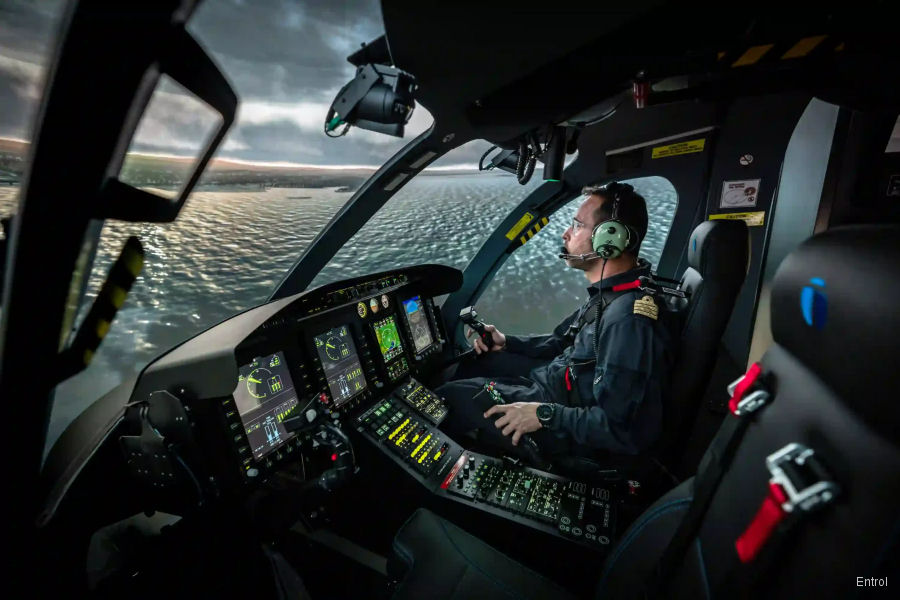
Modern helicopter training often includes advanced simulators, GPS overlays, and real-time performance monitoring. These tools let instructors recreate rare or dangerous scenarios without putting students at actual risk.
Data from training flights can be reviewed later, showing exactly how quickly a student responded to a warning or how consistently they maintained altitude under stress. This objective feedback complements the instructor’s observations and accelerates skill development.
Preparing for the Unexpected
The essence of decision-making under pressure is being ready for surprises. Even experienced pilots encounter moments where plans unravel. For students, the key lesson is that not every decision will be perfect, but hesitation can be far more dangerous than taking decisive, well-informed action.
Helicopter flight training aims to produce pilots who can adapt instantly to mechanical issues, changing weather, or unplanned operational demands. This adaptability, combined with strong foundational knowledge, is what turns a student into a confident, capable pilot.
Final Thoughts
Decision-making at 500 feet is not just about reacting quickly; it’s about reacting correctly. The pressure is real, but so is the training that prepares pilots to handle it. Through repetition, situational awareness, clear communication, and self-discipline, student helicopter pilots learn to navigate high-stress situations with confidence.
These skills don’t just make them safer pilots; they shape their ability to make sound judgments in any area of life. And for anyone balancing this demanding training with academic responsibilities, managing time wisely is as essential as managing flight controls.