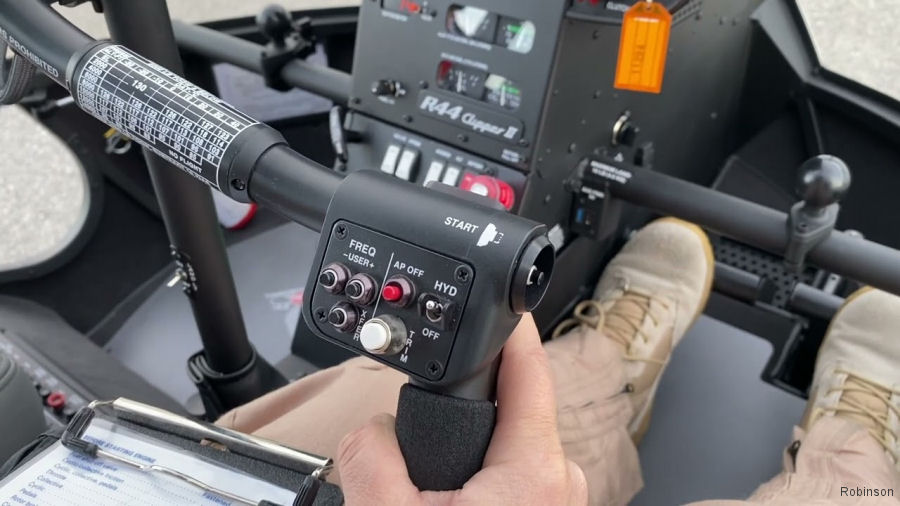
The student pilot phase is a time of learning, challenge, and immense personal growth.
What Is a Student Pilot?
A student pilot is someone actively training to obtain a pilot certificate but who has not yet been fully licensed to act as pilot in command. In most countries, a student pilot must obtain a student pilot certificate or equivalent medical clearance before they can fly solo.
This status gives them the legal authority to operate an aircraft under the supervision of a flight instructor and, eventually, to fly solo under specific restrictions. For those researching or writing about aviation training, resources like EssayPro can provide structured guidance and examples, helping to break down complex aviation concepts for better understanding.
In the United States, for example, the Federal Aviation Administration (FAA) issues student pilot certificates. These certificates do not expire but require the holder to maintain a valid medical certificate to exercise their privileges.
The First Step: Enrollment and Medical Clearance
Before setting foot in a cockpit, a prospective pilot must choose a flight school and complete an aviation medical exam. This exam ensures that the student meets the physical and mental health requirements to fly safely. In the U.S., this involves seeing an FAA-authorized Aviation Medical Examiner (AME). In other countries, national aviation authorities set similar procedures.
The medical standards vary depending on the type of license sought. For a private pilot license (PPL), a third-class medical certificate is often sufficient. Aspiring commercial pilots need a more stringent first- or second-class certificate.
Ground School: Learning Before Flying
One of the biggest misconceptions about flight training is that it’s all about being in the air. In reality, a substantial portion of training takes place on the ground. Ground school covers the theoretical aspects of aviation, including:
- Aerodynamics: How airplanes fly, the forces acting on them, and how pilots control them.
- Aircraft systems: Understanding engines, avionics, electrical systems, and instruments.
- Navigation: Using maps, charts, GPS, and visual landmarks to plan and execute flights.
- Weather: Reading meteorological reports and forecasts, and understanding how weather affects flight.
- Air law: Understanding the rules and regulations that define where, when, and under what conditions you are permitted to fly.
- Flight planning: Calculating fuel requirements, weight and balance, and performance.
Some students take ground school in a classroom setting, while others use online courses or self-study programs.

Flight Training: Hands-On Experience
Once basic knowledge is established, student pilots begin dual instruction—flying with a certified flight instructor (CFI). Training follows a structured syllabus but is tailored to each student’s progress and needs. Common skills learned include:
- Preflight inspections – Checking the aircraft for safety before takeoff.
- Basic maneuvers – Controlling the aircraft through straight-and-level flight, smooth climbs, steady descents, and coordinated turns.
- Takeoffs and landings – Practiced repeatedly to build confidence.
- Emergency procedures – Handling engine failures, system malfunctions, and unexpected weather.
- Navigation exercises – Flying from one point to another using visual references and instruments.
- Radio communication – Talking with air traffic control in proper aviation phraseology.
In summary
Being a student pilot is about more than just learning to operate an aircraft—it’s about embracing responsibility, mastering complex skills, and developing the mindset of a safe, confident aviator. From the first preflight inspection to the day of the checkride, the journey is filled with challenges, learning opportunities, and unforgettable moments.
For those who embrace the challenge, the true reward goes beyond earning a license—it’s gaining the boundless freedom to explore the skies.
See also |
Helicopters
 Helicopters Flight School - Training Civilian