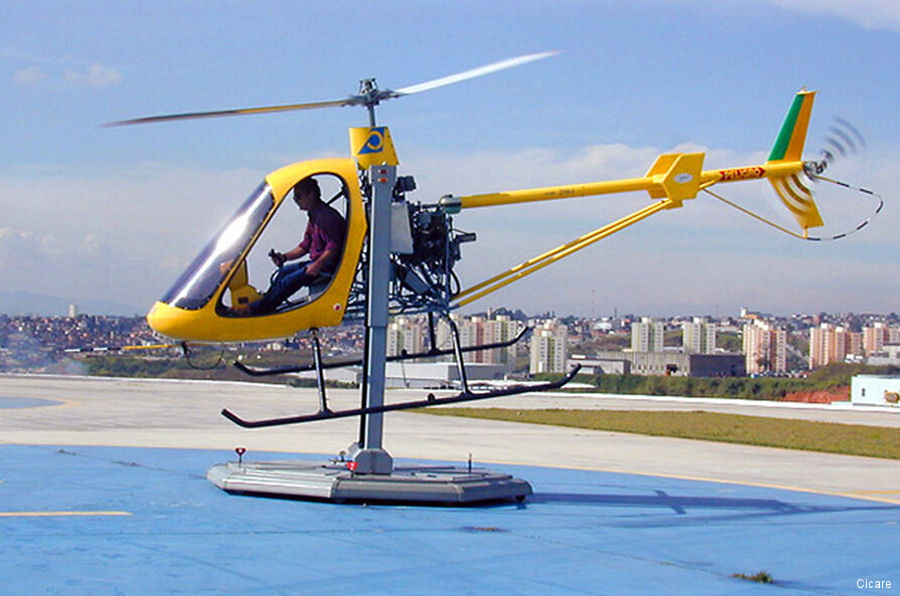
Since pilot training is a major investment of both time and money, it’s important to make decisions that align with your career goals. Whether you aim to fly privately, earn a commercial license, or prepare for advanced certifications, understanding how to evaluate schools and programs is the first step toward success.
This article explores the key factors that every aspiring pilot should consider before committing to a training program.
Why Choosing the Right Flight School Matters
If you want to become a helicopter pilot, the decision of where to train is one of the most important you’ll ever make. Training is a serious investment, both financially and personally. A solid program provides not only technical skills but also the foundation for your long-term career goals. The right school can prepare you for private flying, commercial operations, or even advanced certifications like the Airline Transport Pilot Licence (ATPL).
Accreditation and Program Reputation
The first thing to look for is whether a flight school is accredited by recognized aviation authorities. In the United States, this usually means the Federal Aviation Administration (FAA). In Europe, the relevant body is the European Aviation Safety Agency (EASA). Accreditation guarantees that the program meets industry standards and prepares you for official licensing exams.
Equally important is the school’s reputation. Student reviews, alumni success stories, and testimonials can tell you how well a program prepares pilots for the real world. Schools with strong industry reputations often have better connections to employers, which can help after graduation.
Cost, Financing, and Academic Support
Flight training is expensive, so it’s vital to understand the true cost. Beyond tuition, you’ll face fees for flight hours, simulator time, books, and equipment. Costs vary widely between modular and integrated courses:
- Modular courses allow you to pay as you go and progress step by step.
- Integrated courses are more intensive, combining all training into a continuous full-time schedule.
Both approaches can lead to success, but your financial situation may determine which path makes sense for you.
If money is tight, consider programs offering financial aid, scholarships, or loans. When balancing finances, it’s smart to research tools that make studying easier. For instance, you can simplify written assignments and technical papers with DoMyEssay, an affordable writing service that helps students refine their academic work while focusing on training.
Instructor Experience and Teaching Styles
Instructors are the backbone of any helicopter pilot program. A qualified teacher provides not only technical training but also guidance on safety, decision-making, and confidence in the cockpit. Look for instructors with extensive flight hours and relevant certifications.
Some schools hire younger instructors, often recent graduates. They may be relatable and remember the challenges of being a student. Others employ seasoned professionals with thousands of hours, offering unmatched depth of knowledge.
Both types can be valuable. The key is to find a teaching style that matches your learning needs. A strong student-to-instructor ratio also ensures you’ll receive proper attention during lessons.
Fleet, Facilities, and Training Environment
The aircraft you train on shapes your learning. Schools with a well-maintained fleet provide reliability and flexibility when scheduling lessons. Ideally, you should train on multiple types of helicopters to broaden your skills.
When visiting schools, check for:
- Fleet size and maintenance standards – A larger, well-kept fleet reduces downtime.
- Simulators – Modern simulators allow you to practice emergency procedures without risk.
- Ground facilities – Updated classrooms and avionics systems provide better preparation.
The training environment matters, too. A supportive atmosphere encourages progress and reduces stress. Speak to current students to get an honest sense of culture.
Types of Licenses and Career Pathways
When becoming a helicopter pilot, think ahead about which license aligns with your career goals. Here are the main types:
- Private Pilot Licence (PPL) – Ideal for personal flying and building hours.
- Commercial Pilot Licence (CPL) – Required if you want to be paid for flying.
- Airline Transport Pilot Licence (ATPL(H)) – The highest level, necessary for multi-crew and larger operations.
In Europe, many employers expect pilots to hold an Instrument Rating (IR). While this isn’t always required for helicopter roles, it opens up higher-paying jobs in transport or offshore operations.
Curriculum Depth and Structure
A good program doesn’t just teach basic flight. It also covers regulations, meteorology, navigation, and emergency procedures. A comprehensive curriculum includes:
- Ground school instruction covering theory.
- Flight hours in real helicopters under instructor supervision.
- Emergency training to handle unexpected situations.
- Cross-country flying to practice navigation in varied conditions.
Programs that integrate simulators and modern avionics training better prepare you for today’s aviation industry.
Job Placement and Career Support
Flight training is only the beginning. Many students ask: How will I find work after earning my license?
The best schools provide career placement services. Some have partnerships with helicopter companies, air tour operators, or emergency services. Others support graduates with résumé workshops and interview preparation. A school invested in your long-term success is worth serious consideration.

Factors to Compare Before Enrolling
Here’s a quick checklist to keep in mind when comparing schools:
- Accreditation – FAA or EASA approval.
- Reputation – Positive reviews and strong alumni success.
- Instructors – Qualifications, experience, and teaching style.
- Fleet and Facilities – Well-maintained helicopters and modern classrooms.
- Curriculum – Coverage of ground, flight, and emergency training.
- Costs – Transparent pricing, financial aid, and payment plans.
- Career Support – Job placement, networking, and industry connections.
This simple comparison can save you from costly mistakes.
Visiting Schools in Person
Researching online is useful, but nothing replaces an in-person visit. Tour the facilities, observe a class, and talk to current students. Some schools even offer trial flight lessons, which give you hands-on insight into both instructor style and aircraft quality.
An in-person visit also lets you see whether the environment feels motivating and professional. Since you’ll spend hundreds of hours at this location, comfort and confidence are key.
Final Thoughts
Becoming a helicopter pilot starts with choosing the right school. Accreditation, instructor quality, facilities, and costs all play major roles in the decision. Think about your long-term career goals, compare your options carefully, and don’t be afraid to ask tough questions.
With the right choice, your training will give you the skills, confidence, and career pathways to build a future in aviation.