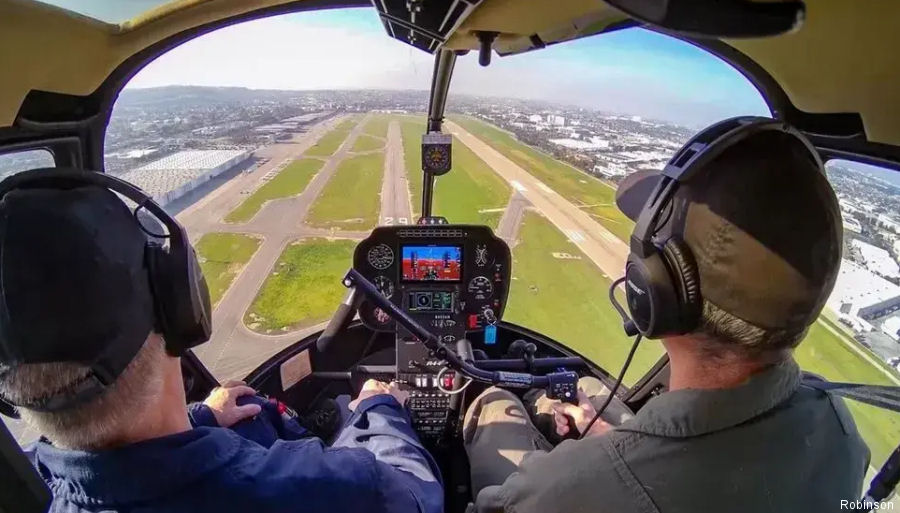
But before you can soar above the landscape, you need top-quality training - and that starts with choosing the right helicopter flight school or academy.
For students balancing training with other commitments, planning becomes even more important. Many future pilots use tools like PaperWriter to help manage academic or written assignments while focusing on intensive flight hours. Annie Lambert, a seasoned writing expert at PaperWriter’s paper writing service, notes that delegating certain tasks can give students more room to concentrate on practical skills without sacrificing academic performance.
Understand the Types of Helicopter Flight Schools
Not all helicopter training programs are the same. Some specialize in private pilot licenses (PPL) for hobbyists, while others offer professional tracks leading to commercial pilot licenses (CPL). Certain schools may also provide advanced certifications, such as instrument ratings or flight instructor qualifications.
If your goal is a career in aviation, look for a program with a strong commercial training component and connections to industry employers. On the other hand, if you're learning to fly for recreation, you may prefer a school that focuses on flexibility and one-on-one instruction.
Factors to Consider When Choosing a Helicopter Flight School
The best choice for you will depend on a combination of personal goals, budget, and location. Here's what to look at before committing:
- Accreditation and Licensing: Make sure the school is certified by your country's aviation authority (in the U.S., that's the FAA).
- Instructor Experience: Look for instructors with thousands of flight hours and real-world operational experience.
- Fleet Quality: A well-maintained, diverse fleet gives you experience with different aircraft types and boosts safety.
- Safety Record: Review the school's accident history and maintenance practices.
- Location and Weather: A school in an area with favorable year-round weather can maximize your training opportunities.
- Graduate Success Rates: Find out how many students pass licensing exams and secure aviation jobs after graduation.
- Training Structure: Does the program offer part-time and full-time options? Are there simulator sessions in addition to in-flight training?
The Importance of Visiting in Person
An in-person visit will give you valuable insight that brochures and websites can't provide. You'll see the condition of the aircraft, meet the instructors, and get a sense of the training environment. This is also your chance to ask about scheduling flexibility, student support, and career services.
Pay attention to the atmosphere: do students seem engaged and confident? Are instructors approachable and willing to answer questions? A good learning environment is critical for developing both your technical skills and your decision-making under pressure.
Evaluating Costs and Financing Options
Helicopter training can be expensive, with total costs often ranging from $70,000 to $120,000 for a full commercial program. Understanding the breakdown of tuition, hourly aircraft rental, instructor fees, and exam costs will help you budget effectively.
Many schools offer financing options, payment plans, or partnerships with lenders. Scholarships are also available through aviation organizations for students with strong academic or leadership records.
Why Safety Culture Matters
Safety isn't just a box to check - it's a mindset that should be present in every aspect of your training. Schools with a strong safety culture emphasize pre-flight checks, regular maintenance, risk management, and clear communication between students and instructors.
A well-maintained fleet, up-to-date safety manuals, and an open environment for reporting issues are signs that the school prioritizes safety.
Simulator vs. In-Flight Training
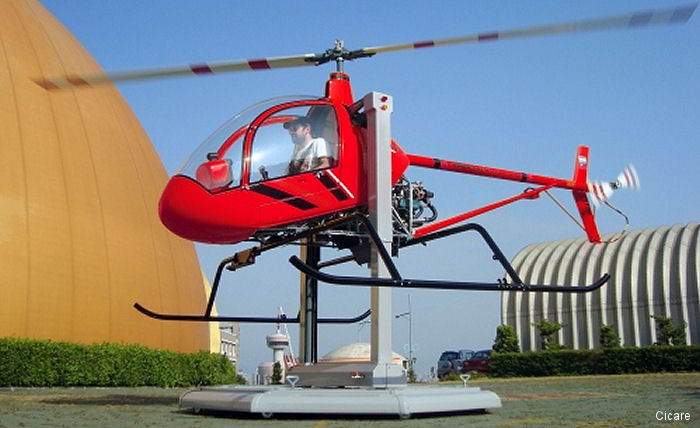
Flight simulators are valuable tools for practicing emergency procedures, instrument flying, and complex maneuvers without the risks and costs of real flight.
While simulators can't fully replace in-flight experience, they're a great supplement - especially for mastering procedures before applying them in the air.
Ask potential schools how much simulator time they offer and whether it counts toward licensing requirements.
Matching the Program to Your Career Goals
If you're aiming for a specific career - such as firefighting, search-and-rescue, or offshore transport - choose a school with specialized training or connections in that field. Networking during your training can lead directly to job opportunities after graduation.
Learning Environment and Student Support
A supportive learning environment can make a huge difference, especially during the more challenging phases of training. Look for schools that provide:
- Mentorship from senior instructors.
- Academic tutoring or supplemental coursework.
- Career counseling and job placement support.
These resources will help you transition smoothly from student pilot to professional aviator.
The Long-Term Payoff
While helicopter training is a significant investment of time and money, it can lead to rewarding careers with competitive salaries and unique experiences. From flying medical evacuation missions to piloting luxury tours, the possibilities are as varied as the students who choose this path.
Choosing the right school ensures that your training prepares you not just to pass tests, but to handle real-world flying with confidence and skill.
Final Thoughts
Helicopter flight training isn't a decision to rush. By taking the time to research, visit, and evaluate your options, you'll set yourself up for a safer, more successful career. Focus on finding a program that aligns with your goals, offers strong support, and instills a culture of safety from day one.
And remember, balancing flight training with other responsibilities can be demanding. Leveraging resources like PaperWriter for non-aviation tasks can free up valuable hours for flying, studying, and preparing for the career you've been dreaming of. With the right school - and the right mindset - your journey to the cockpit will be as smooth as your first perfect hover.
See also |
Helicopters