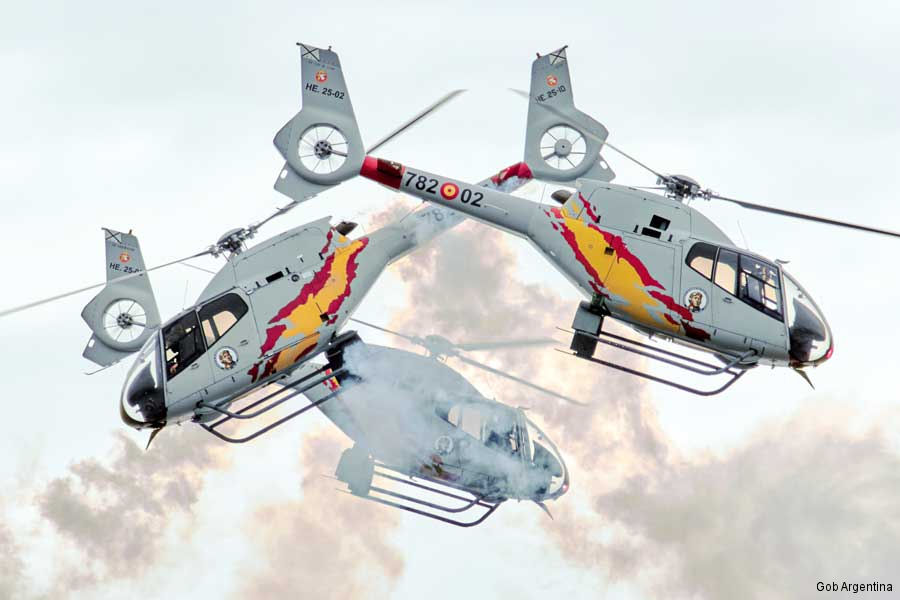
Ejercito del Aire, January 23, 2026 - More than 60 airmen, six EC-120 Colibrí helicopters from the ASPA Display Team and two A400M aircraft will carry out a commemorative mission across Brazil, Uruguay and Argentina between 24 January and 7 February 2026, combining historical tribute, international outreach and 21st-century aerospace capabilities.
The Spanish Air and Space Force will conduct an international commemorative air deployment to mark the centenary of the Plus Ultra flight (1926), the first South Atlantic crossing completed by a single aircraft. The operation will take place from 24 January to 7 February 2026 and will pay tribute to this historic achievement through a contemporary air projection across Brazil, Uruguay and Argentina.
As a critical preliminary phase, on 23 January 2026 the helicopters of the ASPA Display Team will be loaded at the Seville Air Logistics Centre (MAESE) onto two A400M aircraft from Ala 31. This complex logistical operation will mark the physical start of the deployment, with the international flight commencing on 24 January. The return to Spain is scheduled for 7 February, concluding at Morón Air Base.
The deployment will involve an estimated contingent of approximately 60 personnel from the Spanish Air and Space Force. Two A400M aircraft from Ala 31 will participate, with around 19 pilots, crew members and maintenance personnel.
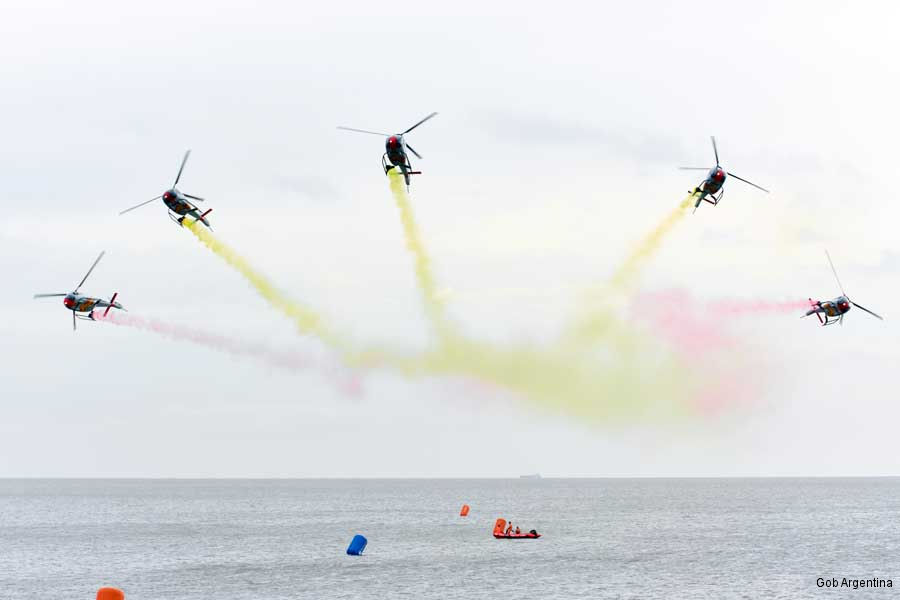
The ASPA Display Team, assigned to Ala 78, will deploy six EC-120B Colibrí helicopters (five primary aircraft and one reserve), supported by roughly 29 personnel including pilots, mechanics, command staff and support crews. Personnel from the Air and Space Force Historical and Cultural Service (SHYCEA) will also take part, alongside additional staff from other units such as the Directorate of Economic Affairs (DAE) and the Chief of the Air and Space Force Staff’s Cabinet.
The mission will cover a total distance of nearly 20,000 kilometres, including strategic deployment legs, intermediate movements and the return to Spain.
As part of the commemorative programme, three aerial displays by the ASPA Display Team are planned, together with a series of cultural activities linked to the centenary.
The first confirmed display will take place on Ipanema Beach in Rio de Janeiro on 28 January, serving as the opening event of the centenary programme in the Americas. Further displays are scheduled for Montevideo on 1 February, at Parque de la Rambla, and for Buenos Aires on 4 February, along the city’s waterfront.
All flying activities will be conducted in close coordination with the civil and military aviation authorities of the host nations, in full compliance with established flight safety standards and procedures.
This operation forms part of the Centenary Programme of the Great Flights of Spanish Aviation (1926–1935) and represents an exercise in international outreach, air diplomacy and multinational cooperation. It connects the legacy of the Plus Ultra pioneers with the operational, technological and human capabilities of the Spanish Air and Space Force in the 21st century—transforming history into a living tribute that, once again, is expressed through flight.
The Spanish Air and Space Force will conduct an international commemorative air deployment to mark the centenary of the Plus Ultra flight (1926), the first South Atlantic crossing completed by a single aircraft. The operation will take place from 24 January to 7 February 2026 and will pay tribute to this historic achievement through a contemporary air projection across Brazil, Uruguay and Argentina.
As a critical preliminary phase, on 23 January 2026 the helicopters of the ASPA Display Team will be loaded at the Seville Air Logistics Centre (MAESE) onto two A400M aircraft from Ala 31. This complex logistical operation will mark the physical start of the deployment, with the international flight commencing on 24 January. The return to Spain is scheduled for 7 February, concluding at Morón Air Base.
The deployment will involve an estimated contingent of approximately 60 personnel from the Spanish Air and Space Force. Two A400M aircraft from Ala 31 will participate, with around 19 pilots, crew members and maintenance personnel.
The ASPA Display Team, assigned to Ala 78, will deploy six EC-120B Colibrí helicopters (five primary aircraft and one reserve), supported by roughly 29 personnel including pilots, mechanics, command staff and support crews. Personnel from the Air and Space Force Historical and Cultural Service (SHYCEA) will also take part, alongside additional staff from other units such as the Directorate of Economic Affairs (DAE) and the Chief of the Air and Space Force Staff’s Cabinet.
The mission will cover a total distance of nearly 20,000 kilometres, including strategic deployment legs, intermediate movements and the return to Spain.
As part of the commemorative programme, three aerial displays by the ASPA Display Team are planned, together with a series of cultural activities linked to the centenary.
The first confirmed display will take place on Ipanema Beach in Rio de Janeiro on 28 January, serving as the opening event of the centenary programme in the Americas. Further displays are scheduled for Montevideo on 1 February, at Parque de la Rambla, and for Buenos Aires on 4 February, along the city’s waterfront.
All flying activities will be conducted in close coordination with the civil and military aviation authorities of the host nations, in full compliance with established flight safety standards and procedures.
This operation forms part of the Centenary Programme of the Great Flights of Spanish Aviation (1926–1935) and represents an exercise in international outreach, air diplomacy and multinational cooperation. It connects the legacy of the Plus Ultra pioneers with the operational, technological and human capabilities of the Spanish Air and Space Force in the 21st century—transforming history into a living tribute that, once again, is expressed through flight.
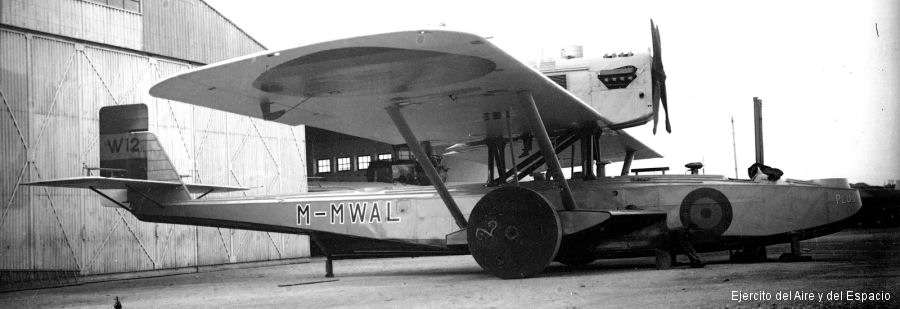
The Plus Ultra, a historic Spanish Dornier Do J Wal flying boat, completed the first transatlantic flight between Spain and South America in January–February 1926. Piloted by Ramón Franco and his crew, the aircraft flew from Palos de la Frontera, Spain, to Buenos Aires, Argentina, pioneering a key intercontinental aviation route. Today, the aircraft is preserved at the Complejo Museográfico Provincial Enrique Udaondo in Luján, Argentina.
See also |


