The reported feelings often mirror the high arousal and dopamine peaks seen in online casinos especially at the moment you win money from an active casino $400 no deposit bonus and the stimulus comes from height motion and scale rather than chance. Here the stimulus comes from height, motion, and scale, not chance. The following section sets a clear definition to frame terms and limits.
What Are Aerial Tours and How Do They Function?
Aerial tours are guided rides or short routes that place visitors above a site to view it from height. They rely on elevation rather than speed or chance. This sets them apart from ground based attractions, which limit sightlines and often focus on single zones.
From above, guests see layouts, borders, and movement patterns at once. These tours operate in theme parks, resort zones, coastal attractions, and urban leisure districts. They fit into existing plans and follow fixed paths. Within this format, planners value three practical effects:
● wider viewing angles across key areas
● reduced time to grasp site scale
● alignment with destination layouts
The result is a clear overview that supports orientation and planning for the rest of a visit.
Main Types of Aerial Tours Used at Entertainment Sites
Entertainment sites rely on several aerial tour formats, each suited to scale, demand, and local rules. The following sections outline the main types in use and prepare the ground for closer comparison.
Helicopter-Based Sightseeing
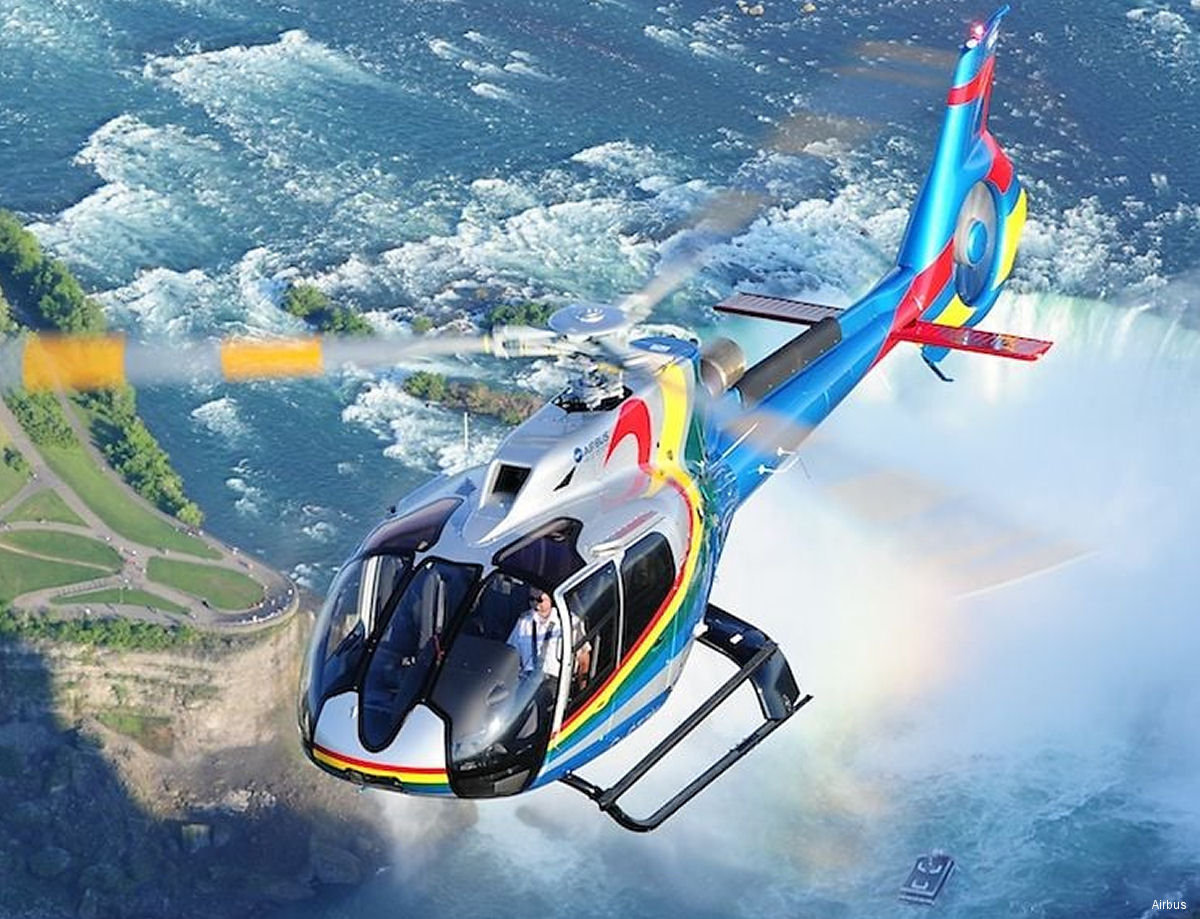
Helicopter tours offer short flights along controlled routes above large sites. Operators limit duration to manage noise and traffic. Cabins allow wide views through large windows, which supports panoramic observation. Flights follow preset paths and time slots approved by local authorities. This format suits landmark focused areas where brief, high level views matter.
Cable-Based Aerial Rides
Cable based rides include gondolas, cable cars, and suspended systems. They move at a steady pace and run all day. This allows high capacity and predictable flow. Such systems fit dense visitor areas where queues need control. Routes connect zones while keeping sightlines open across the site.
Fixed-Wing Observation Flights
Fixed wing flights use small aircraft for overview tours. Routes follow strict airspace rules and fixed schedules. Operators focus on compliance and safety limits rather than speed or variation.
Economic, Tourism, and Branding Impact on Destinations
Aerial tours affect site economics through time use, spending patterns, and recognition. Studies from large parks and resort zones show longer stays when an overhead option exists, as visitors plan routes after an overview. Extra time often links to food, retail, and photo sales, though outcomes vary by site size and price level. Recognition also shifts. Repeated aerial images help form a clear mental picture of a destination, which supports recall in media and travel planning.
| Impact Area | Observed Effect |
|---|---|
| Visitor circulation | Reduced congestion in core zones |
| Visual identity | Stronger landmark recognition |
| Seasonal demand | Increased off-peak interest |
International Use Case Examples Across Regions
Across North America, large theme park clusters use aerial rides to link distant zones and offer clear site views. These systems often cross parking areas and water features to reduce surface traffic.
In Europe, historic urban leisure districts apply aerial routes with strict height limits. Planners aim to protect sightlines while still offering an overhead option.
Asia Pacific coastal entertainment hubs rely on cable based rides to connect islands, malls, and waterfront parks. Space limits drive this choice.
In the Middle East, large desert resort areas adopt aerial tours to cover wide plots with minimal ground impact. Routes often trace main axes and landmarks. In all regions, local rules, climate, and density shape how these tours fit into broader destination plans.
Safety Regulations and Public Perception Trends
Safety oversight for aerial tours has expanded through formal licensing, shared airspace planning, and scheduled inspections. Authorities define route limits, altitude ranges, and operating hours. Operators must document staff training and maintenance records. Coordination with local aviation and city agencies remains a core requirement. Public perception reflects this structure.
Surveys show that awareness grows when rules and checks are visible and clearly explained. Notices at sites outline inspection cycles and authority roles. Reporting standards also align with national transport laws. This alignment frames aerial tours as regulated transport features rather than novelty rides.
See also |
Helicopters