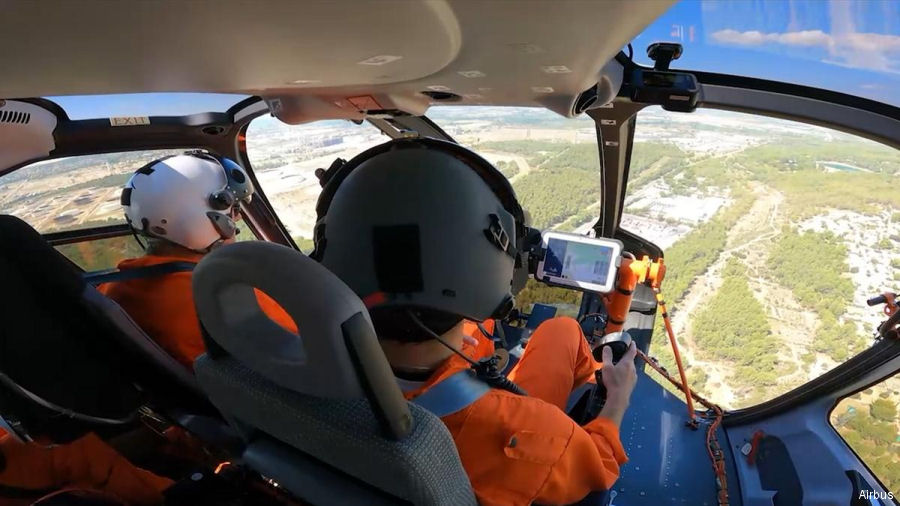
Helicopter pilots live closer to the ground. They feel the wind, the heat, and the noise in a way others do not. Their job asks them to watch every small detail. Because of this, they see the world in a more careful and direct way.
Flying Close Changes Everything
Planes spend most of their time far above cities, fields, and water. Helicopters stay low. They fly near buildings, trees, hills, and people. This makes every flight personal.
A helicopter pilot can see faces on rooftops. They can spot animals moving in tall grass. They notice broken roads, flooded areas, and traffic jams. Nothing feels distant. Everything feels close and real. This kind of flying builds a habit of constant focus. A small mistake can matter. A sudden wind shift can change everything. Because of this, helicopter pilots learn to stay alert at all times.
Decisions Happen Fast and Often
Helicopter pilots make many choices in a short time. Where to land. How to hover. When to move away. There are no long runways waiting ahead. Sometimes the landing spot is a road, a ship deck, or a small clearing.
This sharp decision style can show up in daily life too. Many helicopter pilots think quickly and trust their judgment. They learn to read situations fast. It is similar to how someone might watch patterns and timing in an online casino, where small choices and quick reactions matter more than long plans. The difference is that for pilots, the reward is safety, not money.
Seeing the Ground as a Living Map
From a helicopter, the ground is not just scenery. It is a living map. Roads show traffic flow. Rivers show water levels. Smoke shows danger. Lights show life. Helicopter pilots learn to read these signs without thinking. A change in color or movement can mean trouble or safety. This way of seeing stays with them even when they are not flying.
Other aviators often rely more on instruments and flight paths. Helicopter pilots rely on sight and feel just as much. Their eyes and hands work together at all times.
Landing Anywhere Builds Confidence
Planes need space. Helicopters need balance. A skilled helicopter pilot can land on a mountain, a ship, or a small pad between buildings. This builds a strong sense of trust in skill.
That trust changes how they see limits. Things that feel impossible to others feel manageable to them. This does not mean they take risks lightly. It means they understand risk very well. They know when to move forward and when to stop. This balance shapes how they see problems in life too.
Rescue Work Changes Perspective
Many helicopter pilots work in rescue, medical flights, or emergency support. They see people on their worst days. They land near accidents, floods, and fires. These moments leave a mark. Life feels fragile after that. Small problems seem smaller.
Time feels more valuable. This kind of flying makes pilots grounded, even while in the air. They see how fast things can change and how important calm thinking is.
Why Helicopter Pilots Think Differently
All of this shapes a mindset that is rare. Helicopter pilots think close, not far. They watch details, not just directions. They act fast but stay calm. They do not just fly over the world. They move through it.
That is why their view is different. Not because they fly a different machine, but because they live in a space where every second and every movement matters. When you watch a helicopter hover, turn, and land with care, you are watching a pilot who sees the world in layers most people never notice.
See also |
Helicopters