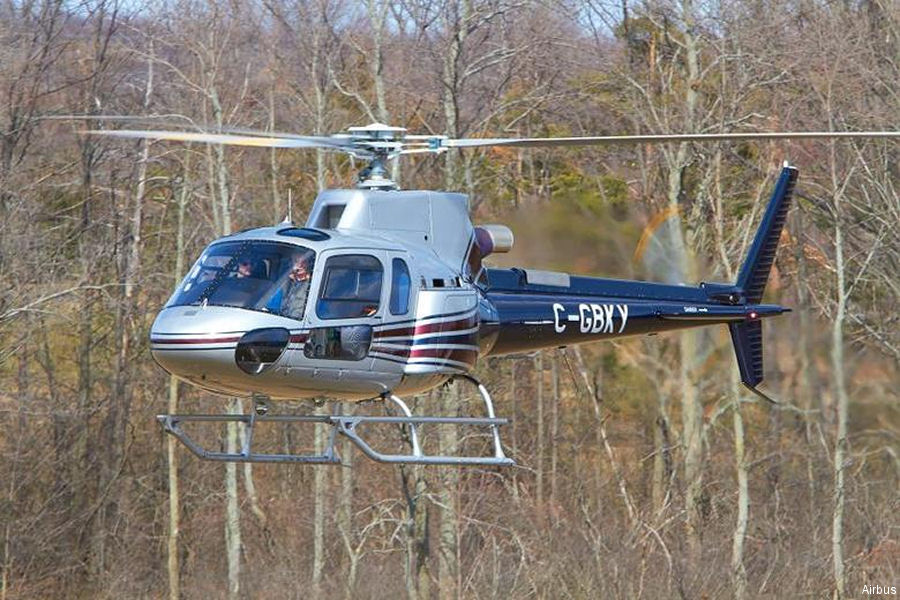
Their ability to hover, pivot sharply, and fly at lower altitudes provides views and sensations that airplanes cannot replicate. With the right preparation, your first flight can be less intimidating and far more rewarding.
Getting Ready for Your First Helicopter Flight
Preparation begins long before the rotor blades start spinning. Students who want to make the most of their flight should think carefully about what they expect from the experience. Do you want to see breathtaking scenery, take photos, or learn more about aviation as a career option? Clarifying your goals helps set the right mindset.
Practical planning also matters. Arrive on time with your identification documents, boarding pass, and a willingness to listen closely during the pre-flight briefing. Instructors and crew members provide safety instructions that are designed to make your flight smooth and secure.
If you need help organizing your preparation notes, an ai paragraph writer can simplify your workload. Tools like Essayhub.com offer ways to restructure your text and make it clearer without changing the meaning. For students balancing coursework and flight training, this kind of affordable academic support can be very practical.
What to Wear and Bring
Choosing the right clothing for a helicopter flight is simple but important. Loose scarves or hats can blow away in the rotor wash, so it’s best to stick to secure, comfortable clothing. Layering is recommended since helicopters are often well-ventilated.
Here’s a checklist for student passengers:
- Comfortable layered clothing
- Closed-toe shoes
- Sunglasses for glare reduction
- Sunscreen for daytime flights
- Light snacks and water if permitted
- Camera or phone (with permission for use)
Helicopters have strict weight limits, so always provide accurate weight information in advance. This helps balance the aircraft and maintain safety throughout the flight.
The Pre-Flight Briefing: Learning Before Flying
Most students find reassurance in the pre-flight briefing. Pilots explain how to board safely, fasten seatbelts, use headsets, and follow communication protocols. This is also the perfect time to ask about the route, potential weather influences, and even career questions if you’re curious about aviation.
Hearing directly from pilots can give students insights into what it takes to operate helicopters daily. Asking about their background, training, or flight school experiences can turn your ride into an educational opportunity.
During the Flight: Managing Expectations and Nerves
Once the helicopter lifts off, you may feel a slight tilt before climbing into the sky. The sensation is different from an airplane — smoother in some ways but more dynamic in others. For students prone to motion sickness, slow breathing and focusing on the horizon can help.
Some passengers find that nerves appear midway through the flight. In these cases, rely on the rhythm of the blades, take deep breaths, and remind yourself that your pilot is highly trained and operating under strict safety standards.
Making the Most of the View
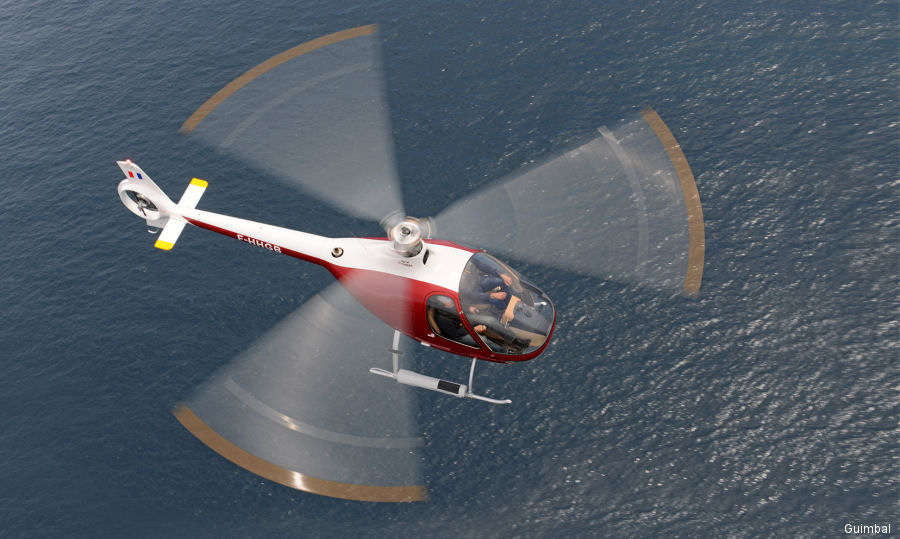
One of the most memorable aspects of helicopter travel is the perspective. Unlike airplanes, helicopters often fly lower, giving you detailed views of cities, landscapes, and landmarks. This makes helicopter flights especially interesting for students studying geography, history, or photography.
Many programs even use helicopter tours as educational tools. Imagine a geology student flying over a canyon to observe rock formations from above, or a history student viewing a battlefield site from the sky. Helicopters open doors to learning that extend beyond the classroom.
For academic writing tied to aviation or travel, you can also use PaperTyper.AI to write essays and organize reflections into clear assignments. Combining the flight with strong written analysis can transform the experience into both a personal and academic milestone.
Expanding Opportunities Beyond the Flight
Helicopter flights can do more than provide a once-in-a-lifetime thrill — they can spark future interests and career ambitions. Some students discover aviation pathways through their first flight, exploring careers in piloting, air traffic control, or helicopter maintenance. Others see applications in emergency response, firefighting, or medical transport.
Here are some areas students may explore further after their first helicopter flight:
- Aviation Careers – Piloting, instruction, or helicopter maintenance.
- Emergency Services – Search and rescue, firefighting, or medical evacuations.
- Photography and Media – Building aerial photography portfolios.
- Drone Technology – Applying flight principles to unmanned systems.
- Sustainability Research – Studying eco-friendly flight practices.
For students looking to align their career exploration with their helicopter experience, networking with pilots and instructors is invaluable. They can provide first-hand advice on training, licensing, and job opportunities.
Responsible Tourism and Community Awareness
It’s also worth noting that helicopter tours carry environmental and social considerations. Choosing companies that follow sustainable practices, fuel-efficient operations, and community-focused initiatives allows students to support responsible aviation.
By selecting the right operator, you can enjoy your flight while knowing it contributes positively to conservation and local communities.
Final Thoughts
A first helicopter flight is both an educational and personal milestone. By preparing carefully, dressing appropriately, and keeping an open mind, students can maximize both comfort and learning. Beyond the aerial views and sensory impressions, helicopter flights open doors to career exploration, academic opportunities, and global awareness. With tools like an ai paragraph writer for academic clarity and resources to turn observations into structured essays, students can carry the impact of their flight far beyond the skies.