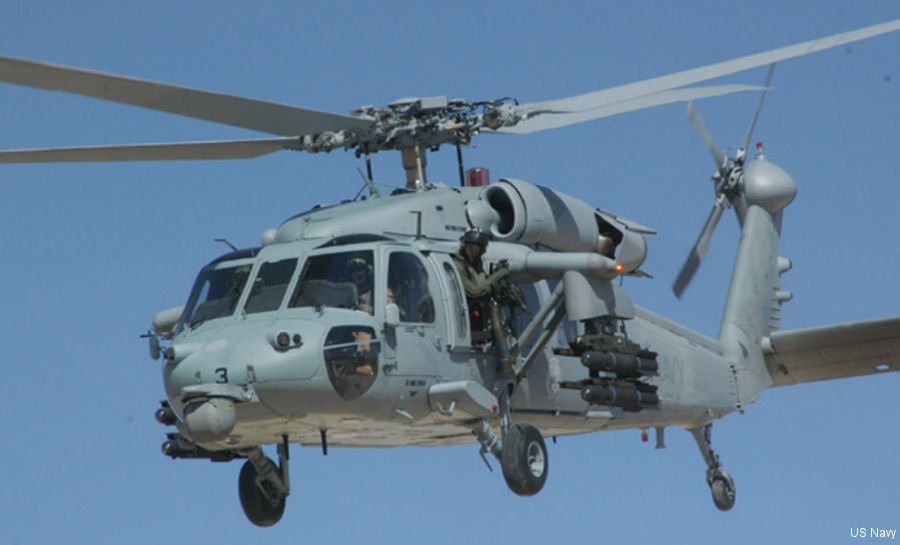

The government plans to acquire five MH-60Rs to replace the Royal New Zealand Navy’s ageing fleet of Kaman SH-2G(I) Super Seasprites, of which only five remain airworthy. The total deal, including helicopters, weapons, and associated support, is expected to exceed NZ$2 billion (US$1.17 billion).
Although a contract has not yet been signed, the decision to proceed through the US Foreign Military Sale process is seen as a formality, with Cabinet approval anticipated in 2026. The Ministry of Defence initially issued a request for information in April 2023, covering helicopters, UAV integration, training systems, and mission support, with a requirement that the new aircraft provide at least 25 years of service. Defence Minister Judith Collins highlighted the importance of the selection, noting that the MH-60R offers New Zealand a reliable, combat-capable, and interoperable platform that aligns with allied forces.
The MH-60R was chosen over competing platforms such as the NH90 in its NATO Frigate Helicopter variant and Leonardo’s AW159. Sikorsky had long promoted the Seahawk as a natural fit, stressing interoperability with Australia’s fleet, strong sustainment support, and an active modernization roadmap extending into the 2050s. The aircraft will be operated by Royal New Zealand Navy crews but maintained by No. 6 Squadron of the Royal New Zealand Air Force, finally replacing the second-hand Seasprites acquired from Australia. The helicopters are expected to be armed with Hellfire missiles and Mk 54 torpedoes, although the inclusion of APKWS rockets remains undecided.
The acquisition will proceed in phases, starting with helicopters and weapons, followed by infrastructure and, eventually, unmanned systems to complement manned aircraft in roles like resupply and reconnaissance. The move also deepens Anzac defence integration, as New Zealand seeks common platforms with Australia, which has operated the MH-60R since 2014.

Rear Admiral Garin Golding emphasized the benefits of aligning procurement with the Australian Defence Force to boost interoperability, cost efficiency, and resilience. On the same day as the MH-60R announcement, Wellington also confirmed that its two ageing Boeing 757 transport aircraft will be replaced by Airbus A321XLRs, underscoring the broader modernization drive across the New Zealand Defence Force.
Judith Collins, New Zealand Defence Minister, said “The Seahawk was by far and away the most suitable for what we have and what we need, and also the interoperability with Australia. We’ve been very clear that, where we can, we’ll buy the same as Australia unless there’s a clear point why we shouldn’t.”
