
Alpine Aerotech announced they have officially received a Transport Canada Civil Aviation (TCCA) supplemental type certificate (STC) for their latest Bear Paw Kit, designed specifically for the Airbus H145D3.
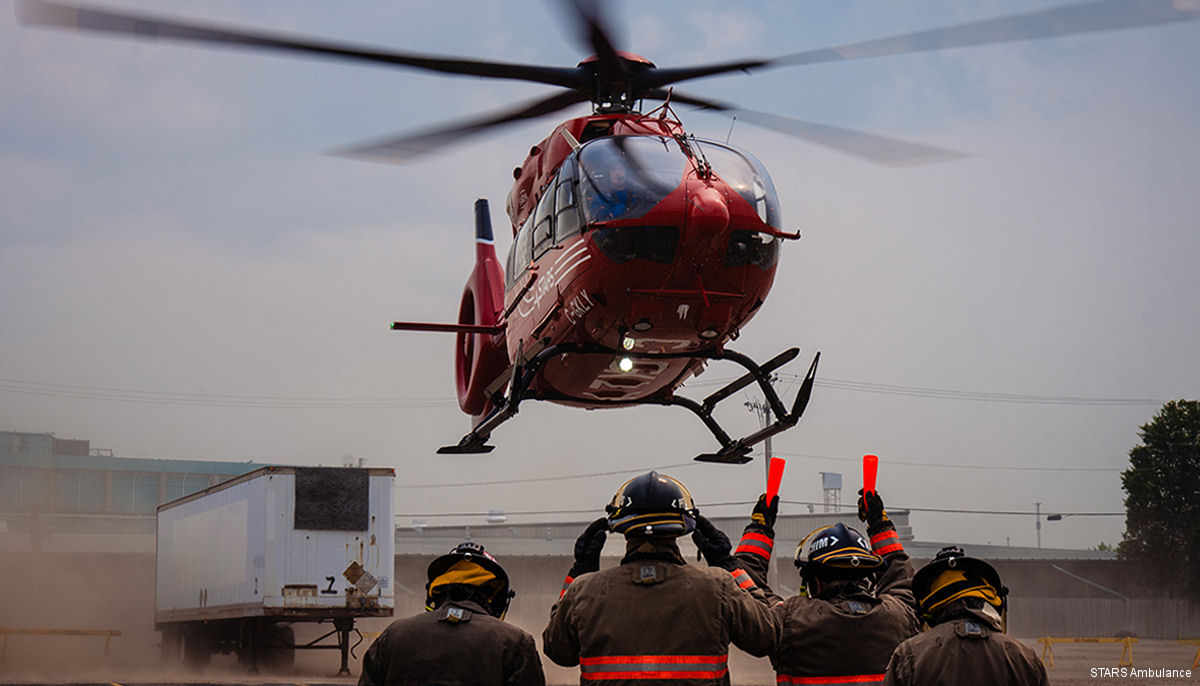
This development follows a close collaboration with STARS, a critical care air-ambulance provider operating across Western Canada.
The H145 Bear Paw was engineered in direct response to STARS’ operational needs, supporting their mission to deliver life-saving care in challenging terrain.
The certified kit enhances skid floatation on soft or uneven surfaces, such as snow, mud, and sand—ensuring safer landings and take-offs in remote locations.
Taylor Wilson, manager of manufacturing at Alpine Aerotech, said “Certification of the H145 Bear Paw marks a major milestone in this project. Working alongside STARS to bring this product to life has been incredibly rewarding. We’re proud to offer a solution that aligns with their mission.”
Building on the success of previously certified Bear Paw kits, including versions for the Airbus H125 (AS350/355), and the major Bell platforms — this latest product incorporates Aerotech’s signature quick-clamp installation system, high-durability materials, and optional ice grippers for additional traction. The lightweight design is optimized for performance and ease of use.
FAA and EASA approvals are currently pending.
Alpine Aerotech continues to expand its portfolio of helicopter accessories by partnering with operators to develop practical, mission-ready solutions. Their industry-leading support and focus on user feedback remain core to their design philosophy.
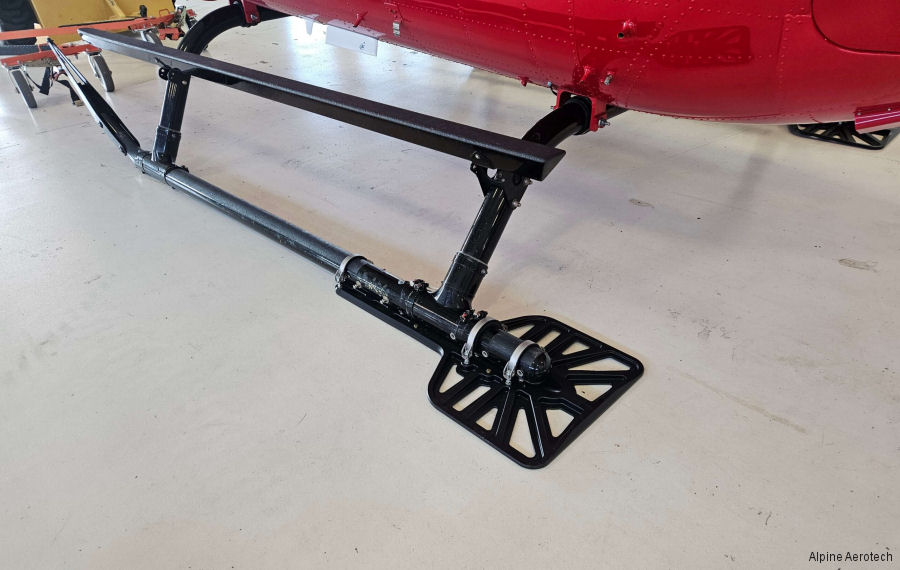
H145D3 Bear Paw for STARS Air Ambulance
Alpine Aerotech LP received Transport Canada Civil Aviation (TCCA) supplemental type certificate (STC) for their latest Airbus H145D3 Bear Paw Kit designed for the STARS Air Ambulance fleet
Did you know?
- Bear paws are special pads attached to the skids of a helicopter to increase the surface area of the landing gear, allowing the aircraft to land safely on soft, uneven, or unstable terrain like deep snow, marshy ground, or sand without sinking. Their primary function is to distribute the helicopter s weight over a larger footprint, preventing the skids from digging in and keeping the tail—where the heavy engine and transmission are often located—from sinking, which is crucial for protecting the tail rotor from ground strike. These durable, often high-density polymer accessories are essential for helicopters engaged in operations like air ambulance services, remote transport, or reindeer herding, which frequently require off-airport landings on unprepared surfaces.